
Tavern Style Chicago Thin Crust Pizza
Real Chicago pizza isn’t deep dish. It’s a buttery, crackery, sausage-loaded thin crust, and it’s about to change everything you think you know about food in this town.
Why This Chicago Tavern Pizza Recipe Delivers
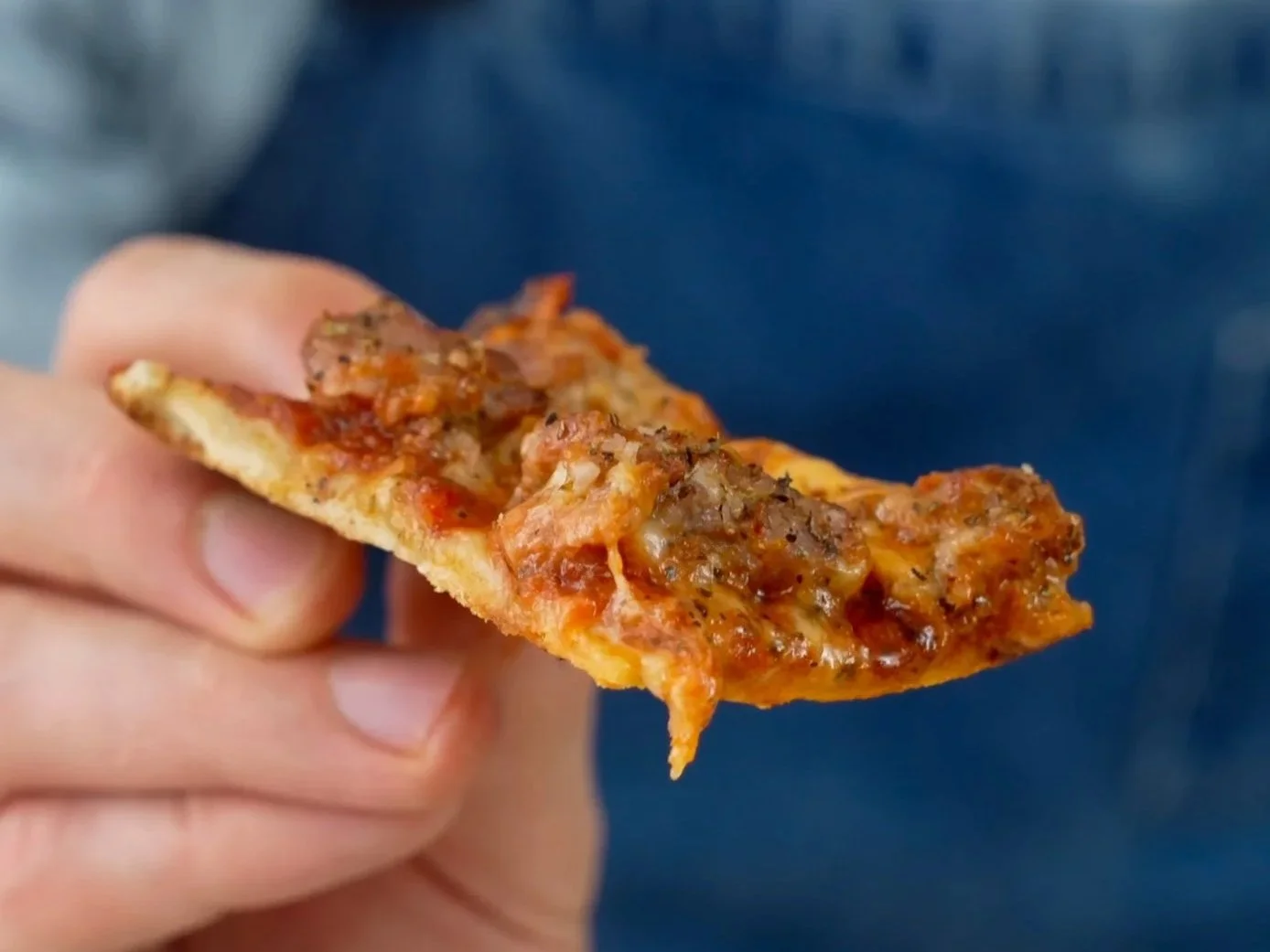
In the 26 years I lived in Chicago I ate about 300 times more tavern style thin crust pizza than deep dish pizza. That's because tavern style thin crust is the real pizza of Chicagoland. Deep dish is great but its heavy. Tavern style, on the other hand, is neighborhood bar, square-cut-with-a-beer pizza that actual Chicagoans eat all the time. I recently drove 5 hours to Vito and Nicks on the far South Side to refresh my memory on the style, and it was probably the best version of Chicago tavern pizza I've ever eaten. It clarified exactly what this pizza is about — buttery, flaky crust that's more cracker than bread, aggressively topped with sausage and full fat mozzarella, baked DEEP until the cheese goes dark and nutty. This recipe recreates that experience at home, and it's one of the easier regional pizza styles to pull off in a standard oven.
Brians Pro Tips
Cold butter in the dough. Just like a pie crust, cold butter creates little pockets that melt during the bake and produce flakiness. Pulse it into the flour until it looks like damp sand with visible butter flecks. Don't over-process or you'll smear those flecks into the flour and lose the flakiness.
Dissolve the yeast and salt separately. This dough is very dry compared to other pizza styles, so yeast and salt won't hydrate properly if you just toss them in with the flour. Dissolve them in separate portions of ice cold water. Salt kills yeast, and mixing them together could mess with your fermentation.
Cure the dough uncovered in the fridge. After rolling and docking, let the dough sit in the fridge uncovered for 4–24 hours (preferably 24). This dries out the surface and develops a skin that translates to about 40% more crispness during the bake. The edges especially will get flaky and almost glassy.
Dock the dough. A dough docker is basically a spiked roller that pierces the dough and prevents big bubbles from puffing up during the bake. It's universally used in thin crust pizza shops and costs about 10 bucks on Amazon. A fork works too — just be careful not to tear through the dough.
Don't be afraid of a dark bake. If you pull this pizza out looking blond, you've missed the point. The deep brown on the mozzarella combined with the sausage juice and cornmeal-studded crust creates a very specific flavor. You need to absolutely roast this thing — 9–10 minutes at 550F (285C) until there's no pale cheese left anywhere.
Season the top with salt. Most people skip this but the cheese by itself isn't that well seasoned. A strong pinch of salt over the top before baking makes a noticeable difference.
Key Ingredient Notes
These are the key ingredients that make the dish work—along with my best tips on substitutions, where applicable.. For the complete breakdown of every ingredient and exact amounts, just scroll down to the recipe below.
Bread flour
You want the structure that bread flour provides here. Even though this crust is more cracker than bread, the higher protein content gives the dough enough strength to roll super thin without tearing. All-purpose can work in a pinch but your crust won't be quite as sturdy.
Cold butter
This is what makes tavern style crust different from every other pizza dough. The butter melts during the bake and creates flaky, almost pastry-like layers. I don't know if Vito and Nicks use butter in their shop, but at home this is how we get that signature buttery, saltine-cracker texture.
Tomato paste
This sauce is MUCH heavier on tomato paste than a typical pizza sauce, and that's intentional. It models the thicker Vito and Nicks style. Since this pizza has no raised edges, you need a thicker sauce so things don't run off the side after the bake. The paste also concentrates the tomato flavor.
Full fat aged mozzarella
Get the 1-pound blocks from the deli counter at your supermarket, not the pre-shredded bags. Bagged cheese is coated in starch to prevent clumping and it melts differently — kind of weird and oily in my opinion. Plus it loses its flavor from sitting pre-shredded. Block mozzarella is rich, creamy, and has a little funk from the aging.
Cornmeal
A huge part of the flavor and texture of tavern style pizza. The bottom of the crust gets aggressively dusted with the stuff which helps movement in and out of the oven, brings a toasty popcorn flavor, and adds crunch. Use a fine grind.
RECIPE
Prep Time: 30 minutes | Cook Time: 10 minutes | Curing/Ferment Time: 2½ hours + 4–24 hours overnight | Total Time: ~26 hours (mostly hands-off) | Servings: 2 pizzas (about 4–6 servings)
Pizza Dough
INGREDIENTS:
▪360g (3c) bread flour
▪40g (3T) cold butter
▪180g (3/4c) ice cold water, divided
▪5g (1 1/2t) yeast
▪7g (1 1/2t) salt
INSTRUCTIONS:
1. In a food processor, combine the bread flour and cold butter. Pulse until the butter is broken down into small, gravel-like bits.
2. Dissolve the yeast in 90g (1/4c + 2T) of ice cold water and the salt in another 90g (1/4c + 2T) of ice cold water.
3. Add the yeast water and salt water to the flour-butter mixture in the food processor. Pulse for 20-30 seconds until the dough is evenly hydrated. Be careful not to overmix.
4. Transfer the dough onto a work surface and knead for 2 minutes until it forms a homogeneous ball.
5. Round the dough into a ball, place it in a bowl, cover, and ferment for 2 hours.
6. After 2 hours, divide the dough into two equal pieces. Perform a preshape by folding in the sides and rounding off the dough into a ball. Cover the dough balls and let them rest for 20 minutes to relax the gluten.
7. Press the dough ball flat with a pizza pan or large pot then roll out each dough ball into a 12” (30cm) round
8. Use a pizza docking tool or a fork to pierce the dough to prevent large bubbles from forming during baking.
9. Spray 2 pieces of parchment paper with olive oil pan spray and a generous amount of fine grind cornmeal and place rolled out pizza doughs on top.
10. Place both doughs stacked on a sheet tray and refrigerate, uncovered, for 4-24 hours to cold ferment and develop a skin for a crispier crust. Preferably 24 hours.
Pizza Sauce
INGREDIENTS:
▪1 28oz/800g can crushed tomatoes
▪100g (1/3 cup) tomato paste
▪12g (2 1/2 tsp) salt
▪20g (5 tsp) granulated sugar
▪1g (1/2 tsp) chili flakes
▪2g (2 tsp) dried basil
▪2g (1 tsp) dried oregano
▪2g (1/2 tsp) onion powder
▪2g (1/2 tsp) garlic powder
INSTRUCTIONS:
1. Scoop out half a cup of crushed tomatoes from the can.
2. Add the tomato paste, salt, sugar, chili flakes, basil, oregano, onion powder, and garlic powder to the remaining crushed tomatoes.
3. Blend the sauce with immersion blender until the dried herbs are broken down and everything is well combined.
Italian Sausage
INGREDIENTS:
▪450g (1 lb) 80/20 ground pork
▪7g (1 1/2 tsp) salt
▪2g (3/4 tsp) black pepper
▪2g (1 tsp) chili flakes
▪5g (1 tsp) red wine vinegar
▪2g (1 tsp) ground fennel seed
▪5g (1 clove) fresh garlic, minced
INSTRUCTIONS:
Mix together all ingredients until well combined.
Assembling and Baking the Pizza
▪450g (16 oz) full-fat aged mozzarella cheese, shredded
▪1lb (1/2kg) italian sausage (preferably homemade, recipe above)
▪Pizza sauce (recipe above)
▪Dreid oregano
▪Dried basil
INSTRUCTIONS:
1. Preheat the oven to 550°F (285°C) with a pizza steel or an upside-down sheet tray.
2. Spread prepared pizza sauce evenly over the rolled dough.
3. Distribute half of the Italian sausage in rough balls evenly on top of each pizza (1/2lb per pizza)
4. Sprinkle half the shredded mozzarella cheese generously over the sausage of each pizza, spreading edge to edge (½ lb per pizza).
5. Sprinkle each pizza with a pinch of dried oregano, dried basil, and a pinch of salt.
6. Slide assembled pizza onto the preheated pizza steel or sheet tray in the oven.
7. Bake for about 10 minutes until the crust is deeply baked and the cheese is bubbly and golden brown.