
Korean Short Ribs
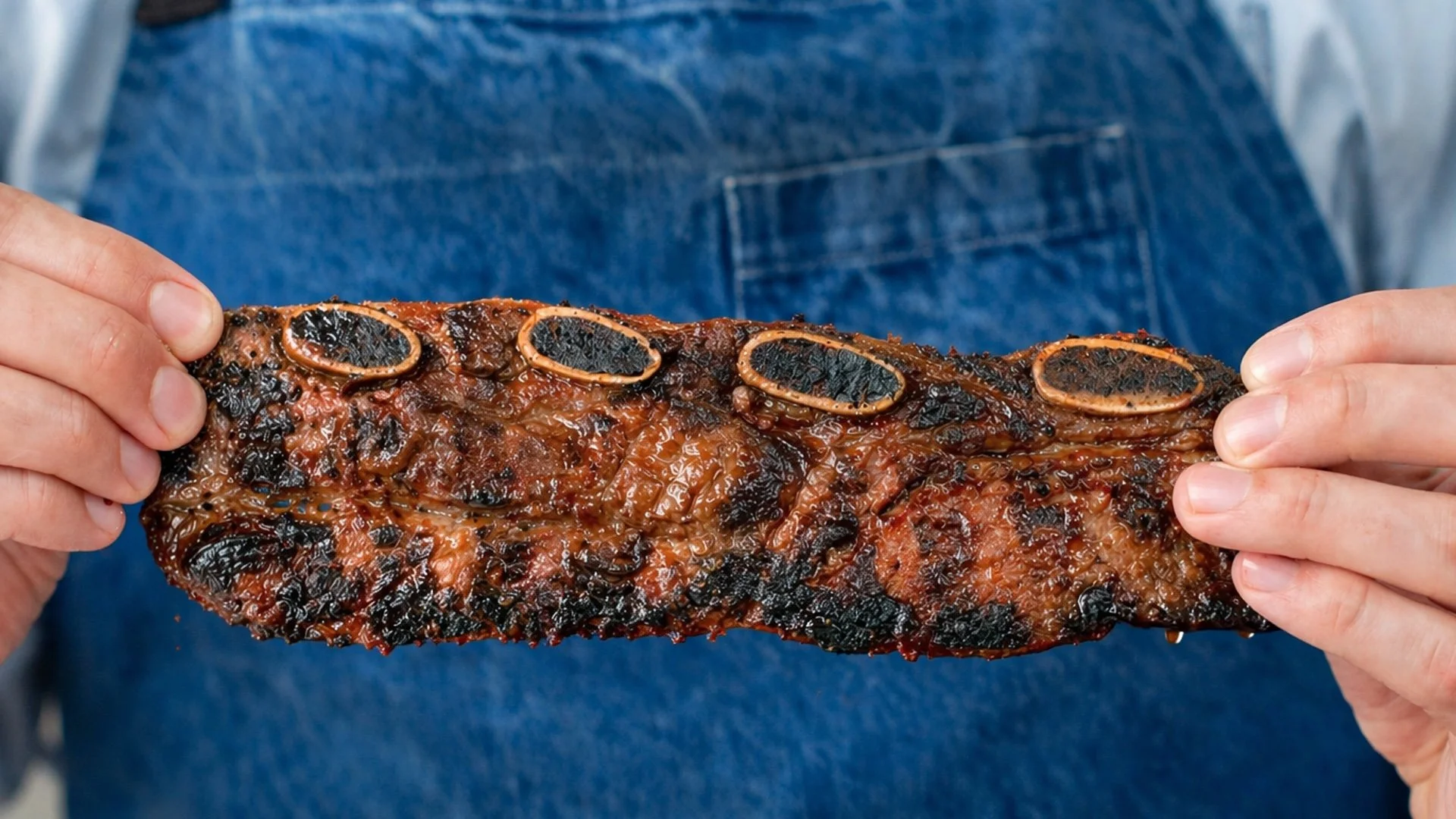
This recipe for Korean short ribs gives you sticky-sweet beef ribs lacquered in a pear, soy, and sesame marinade, grilled until caramelized, then served on the bone.
This post contains affiliate links. If you click and make a purchase, I may earn a commission at no extra cost to you

Why This Korean Short Ribs (Galbi) Recipe Delivers
This recipe solves the two things that usually make homemade galbi disappointing…tough meat, and burnt sugar.
The combo of pear AND kiwi in the marinade utilizes a “dual enzyme” strategy to tenderize the beef a bit more aggressively than pear only recipes… And instead of grilling the ribs once over screaming heat, you cook them in short passes and brush on more marinade as you go, which lets the outside build a sticky, caramelized lacquer instead of turning black and bitter.
Brian's Pro Tips
Wash Ribs Before Marinating - Flanken cut ribs come off a bandsaw and are usually caked in powdery bone dust. Rinse every piece under cold water to get that off, then dry them really, really well on paper towels. Wet meat repels marinade, the soy and fruit mixture will slide right off a damp rib instead of clinging to it.
The Marinade Sweet Spot - The recipe calls for 12-18 Hours…Less than this and the meat wont be quite as luxuriously tender as we want…More than this and the enzymes in the fruits can break down the proteins in the meat too much, leaving the texture mushy. Ive had this mushy meat in K BBQ places several times and its a bummer, the texture is not longer meatlike.
Oily Grill - Sugar in the marinade makes these extra prone to grabbing onto the grates. Go heavy with pan spray or a generous wipe from an oil soaked paper towel right before you lay the ribs down gives you a clean release on the first flip. Don't skip this step.
Short Cycles, Constant Attention - Once the meat is on, stay at the grill and flip every 2 minutes after the initial sear. Since the marinade is high sugar, if one side stay exposed to the direct heat for too long you risk burning. More flipping is better than less.
Key Ingredient Notes & Substitutions
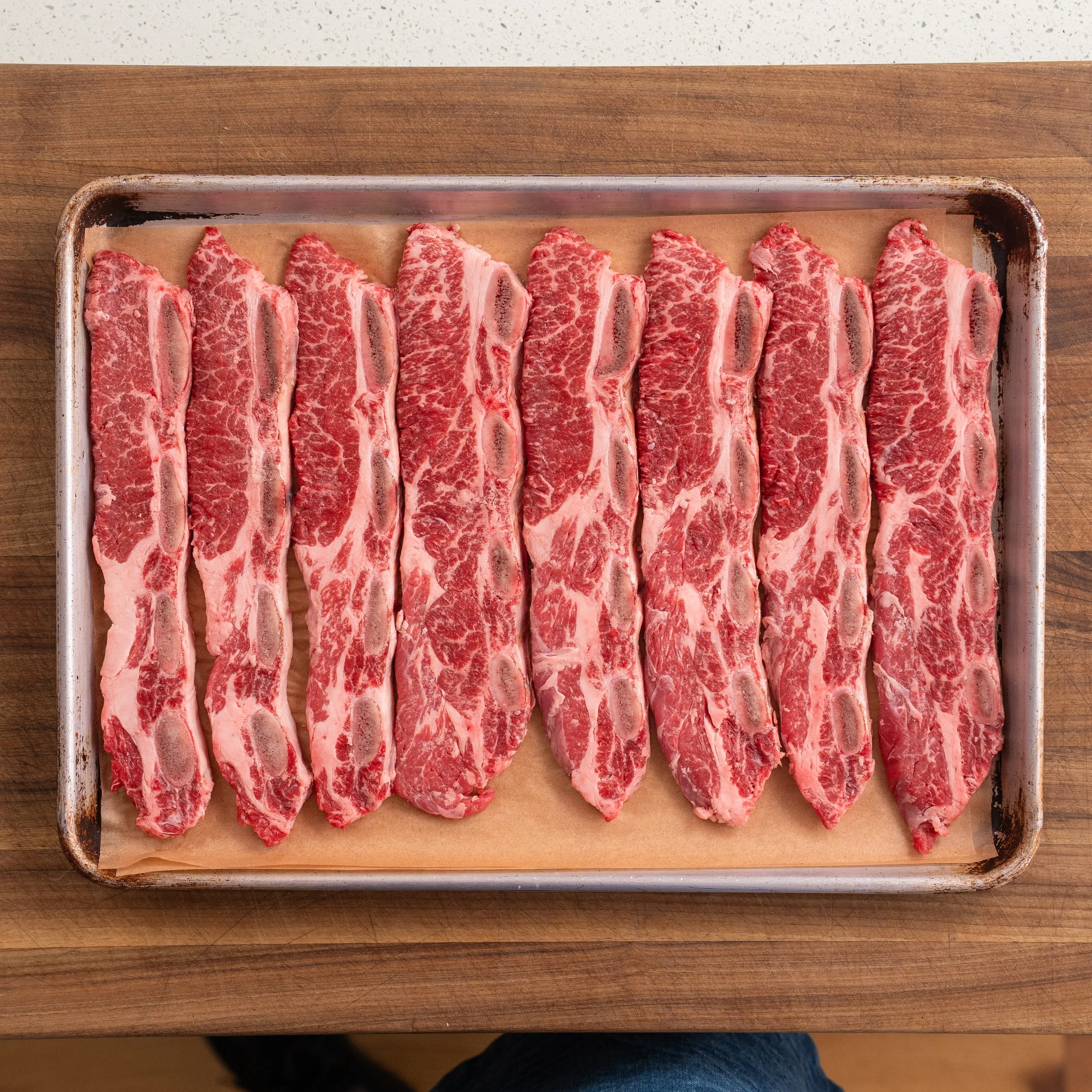
Flanken Cut Short Ribs - Also sold as “cross-cut” or “korean-style” short ribs, these are not the same thing as regular bone-in short ribs. The thin cut is what makes this dish work…the meat tenderizes quickly in the marinade, cooks fast on the grill, and gives you little bone sections that are genuinely fun to gnaw on. Asian markets, butcher shops, and Whole Foods always carry them. If you can’t find them, two-bone pork rib sections work surprisingly well and deliver a very similar fatty, salty, sweet, grilled-on-the-bone experience. You can also sub in skirt or flank steak.
Asian Pear - The tenderizing enzyme in pear is pretty weak compared to kiwi, so the pear is contributing more to flavor than to texture here. Asian pear has this aromatic, lightly sweet quality that's almost like a crisp white wine. In a pinch, a Bosc or Bartlett pear works as a substitute, just make sure its ripe.
Kiwi - Kiwi is doing most of the actual tenderizing work. Its enzyme, actinidin, is significantly more aggressive at breaking down protein than the pear enzyme. The flavor is neutral enough that you don't really taste "kiwi" in the finished galbi — it just makes the meat noticeably more tender and bulletproof on the grill. Pineapple would be a common swap (similar enzymatic action) - use about half as much because the enzyme in pineapple (bromelain) is more aggressive and can make mushy in less time.
Full ingredient list and amounts are listed in the full recipe below.
RECIPE
PREP TIME 20 min active + overnight COOK TIME 20-25 min YIELD 6 servings
Ingredients
For the Ribs:
(3-4 lbs) or 2 Kilos “Flanken Cut” short ribs
For the Marinade:
100g (7 T) soy sauce
10g (1.75 tsp) salt
50g (3.5 T) brown sugar
25g (2 T) mirin
25g (1.75 T) toasted sesame oil
150g (about 1 cup loosely packed) Asian pear, peeled and chopped
50g (about 0.25 cup) kiwi, peeled and chopped
100g (about 0.75 cup) onion, diced
30g (about 6-8 cloves) garlic
10g (1 T packed) ginger, peeled and chopped
3g (0.5 tsp) black pepper
How To Make Korean Short Ribs (Galbi)
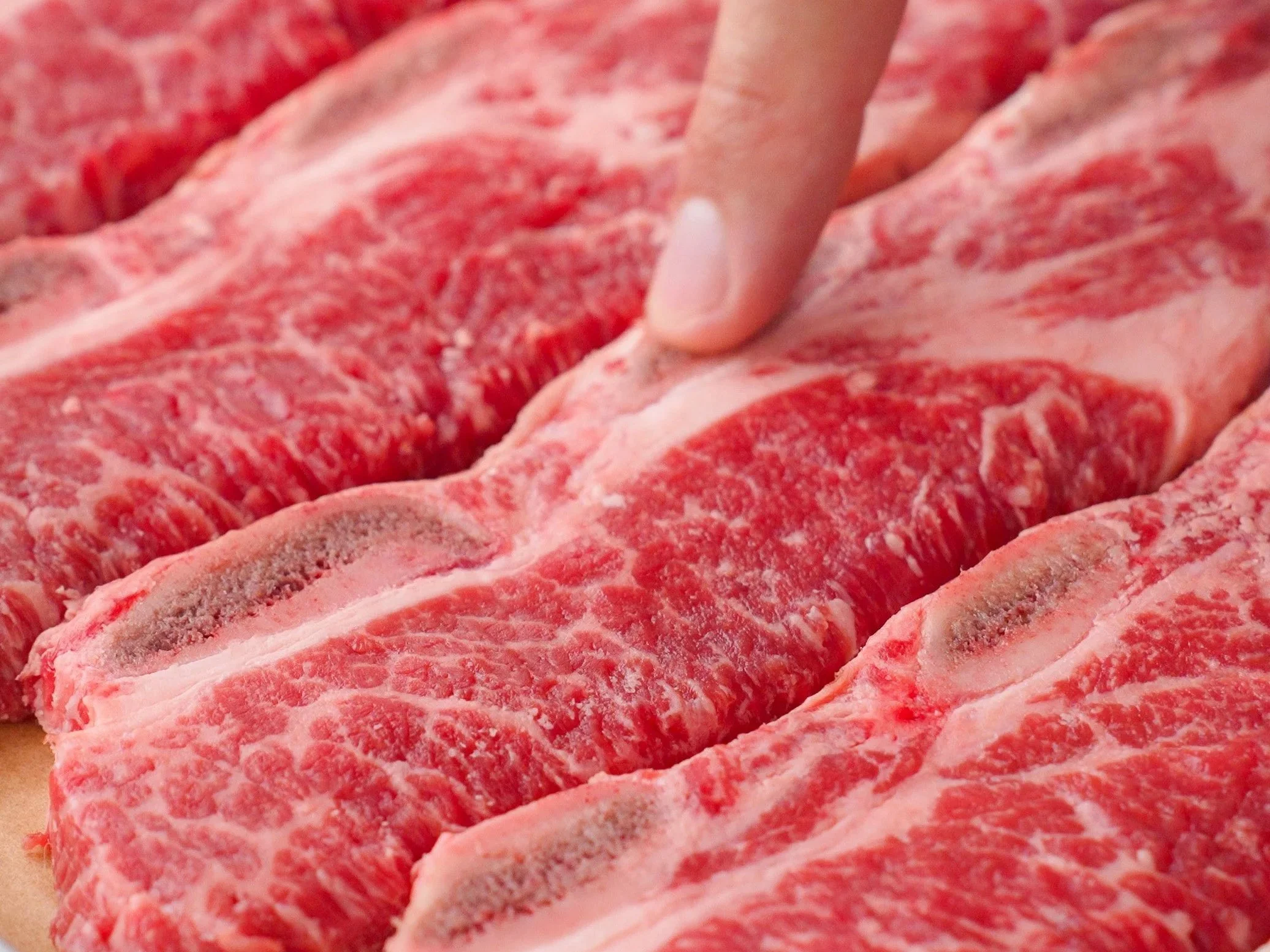
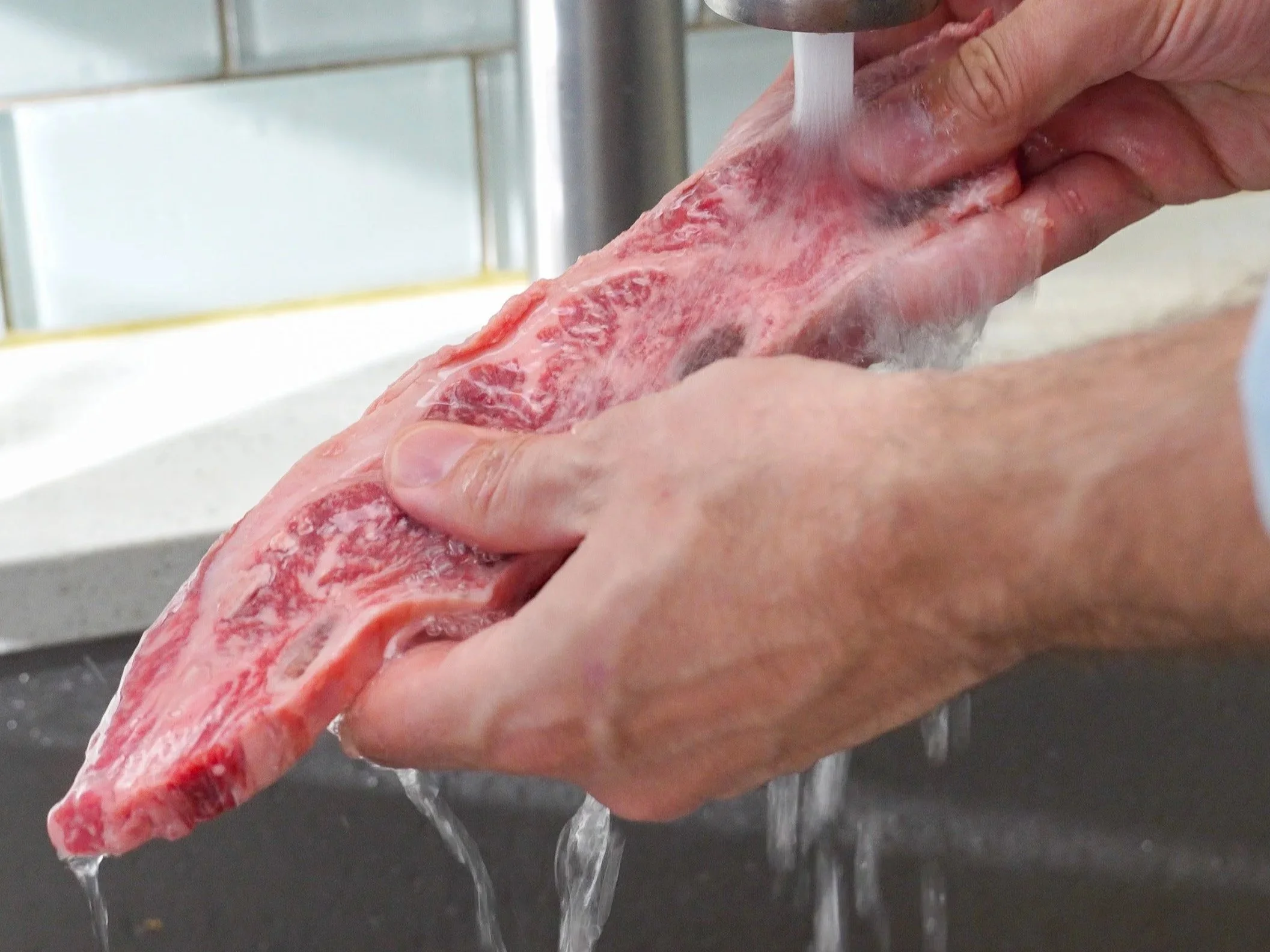
1. Prep the Ribs. Rinse each flanken cut short rib under cold water to wash off any bone dust from the saw. Lay them out on paper towels and dry them really, really well. Wet meat repels marinade, so don't rush this step. Pat until they feel genuinely dry to the touch.
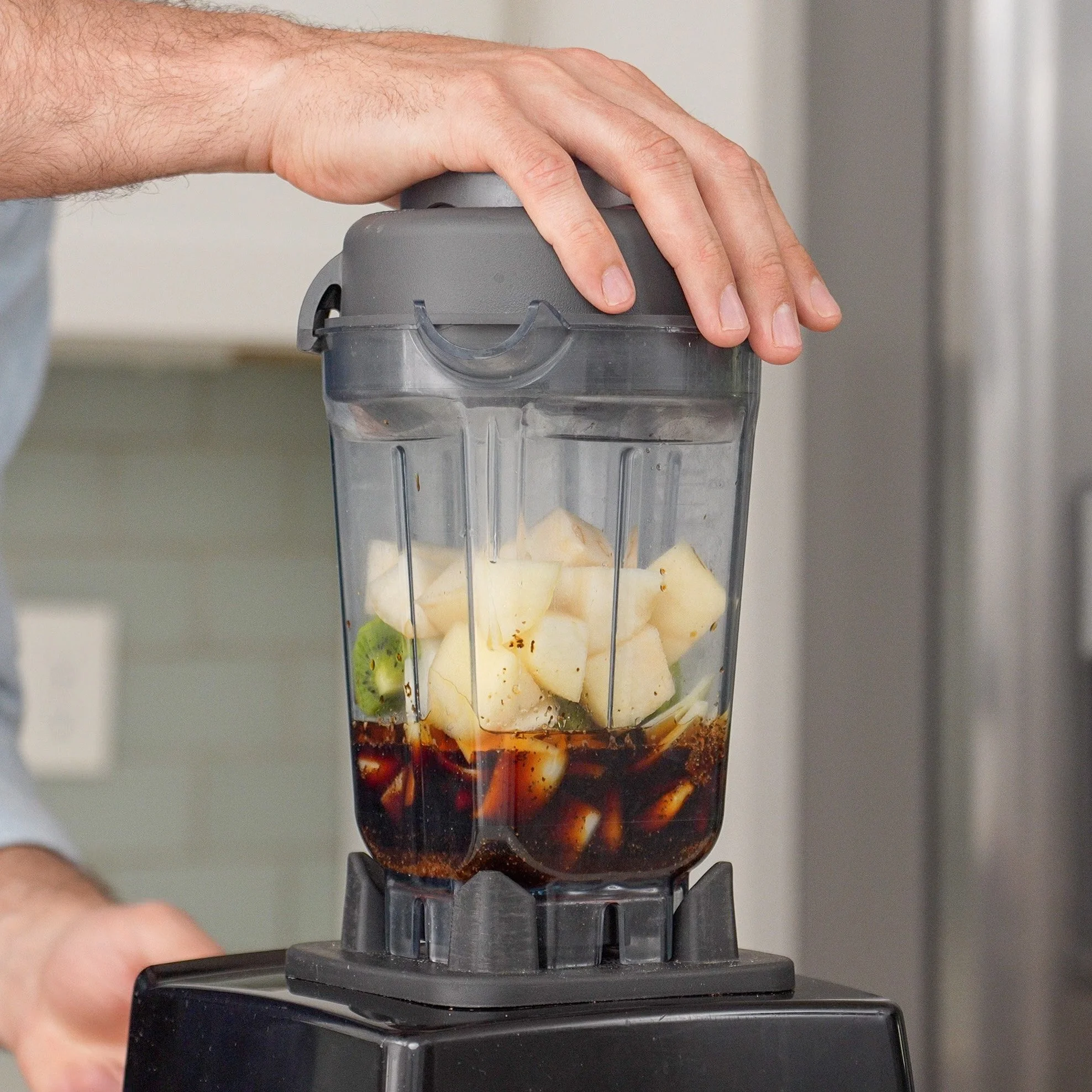
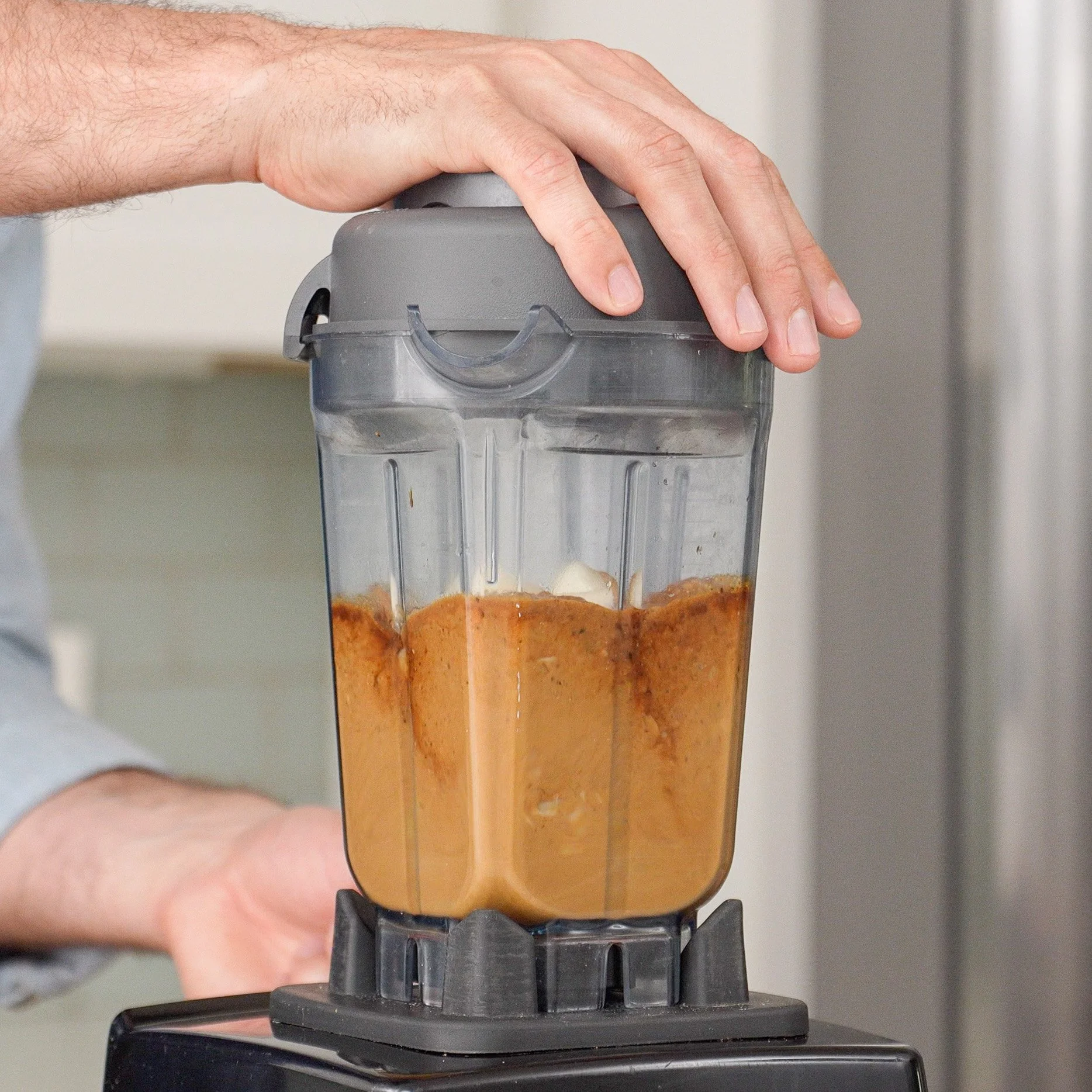
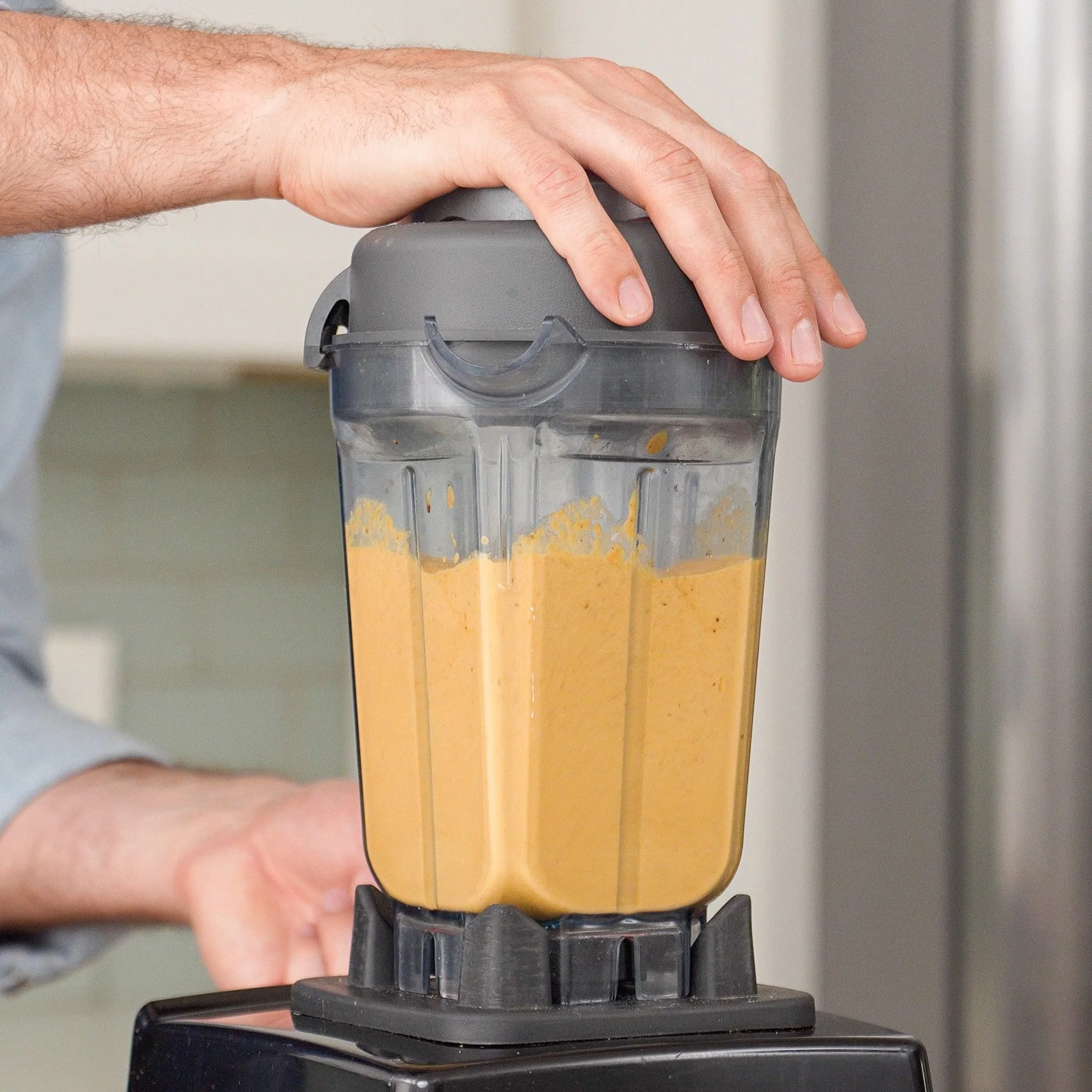
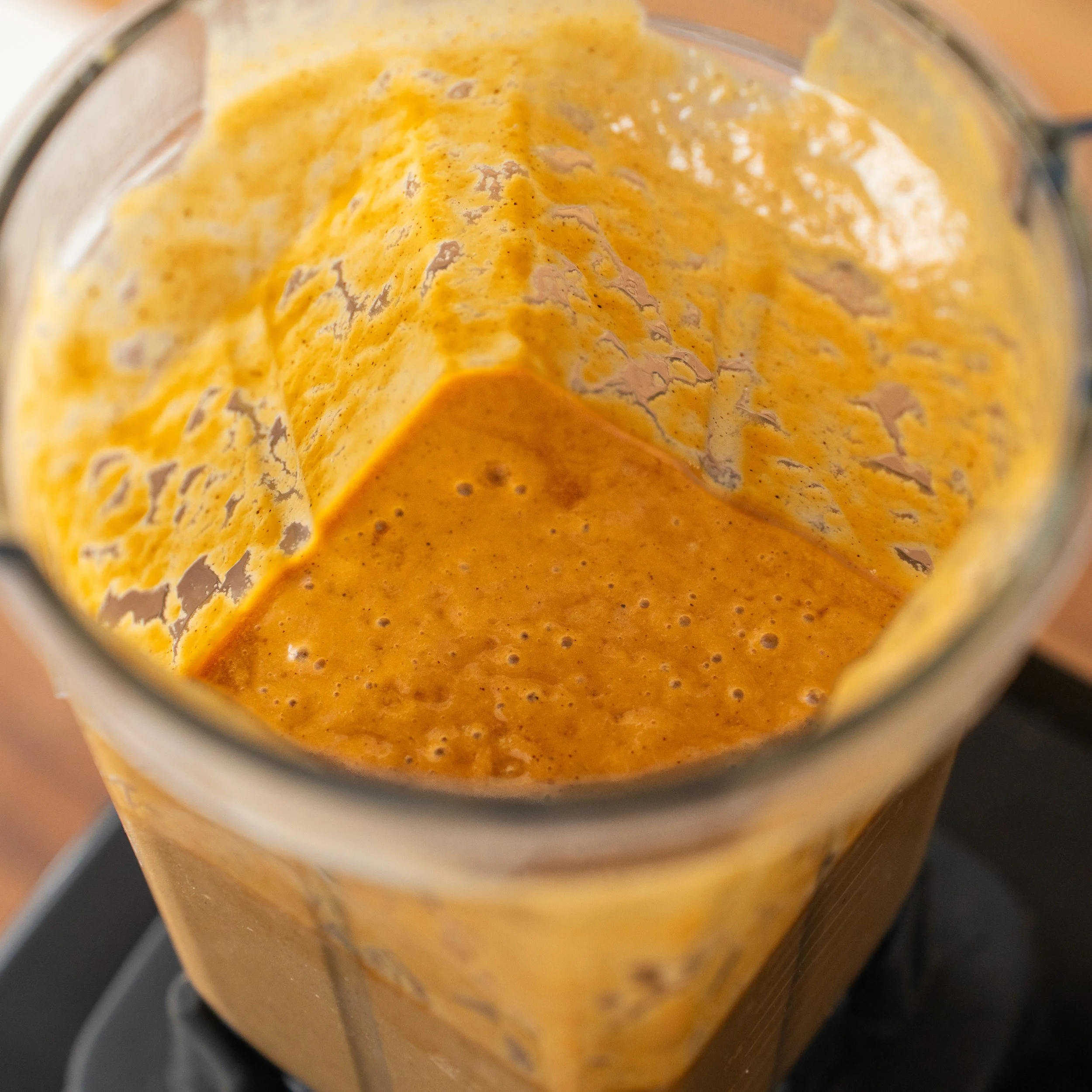
2. Blend the Marinade. Combine the soy sauce, salt, brown sugar, mirin, sesame oil, Asian pear, kiwi, onion, garlic, ginger, and black pepper in a blender. Blend for 1 minute or until completely smooth.. Taste it, it'll be intensely salty and sweet with a distinct sesame and pear aroma.
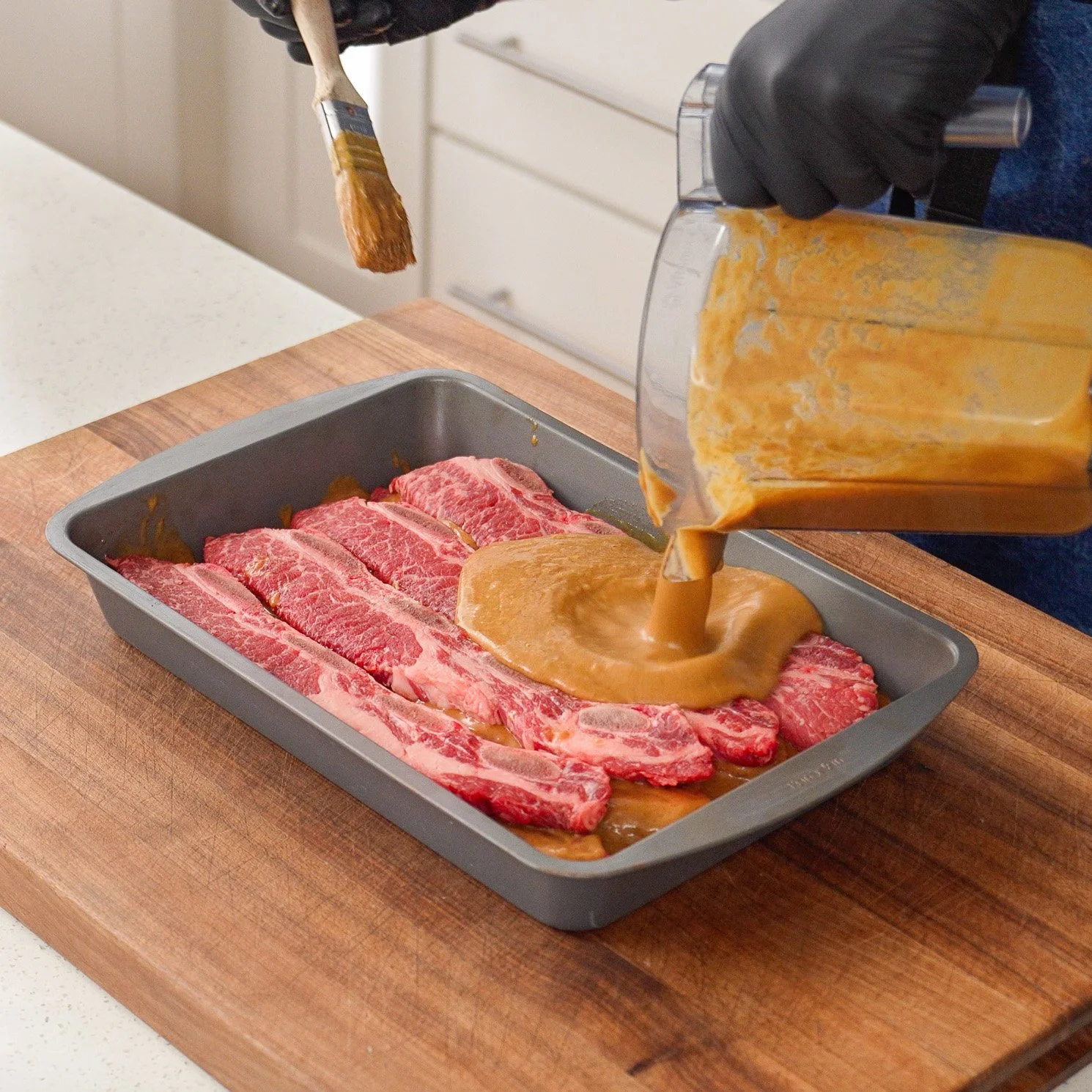
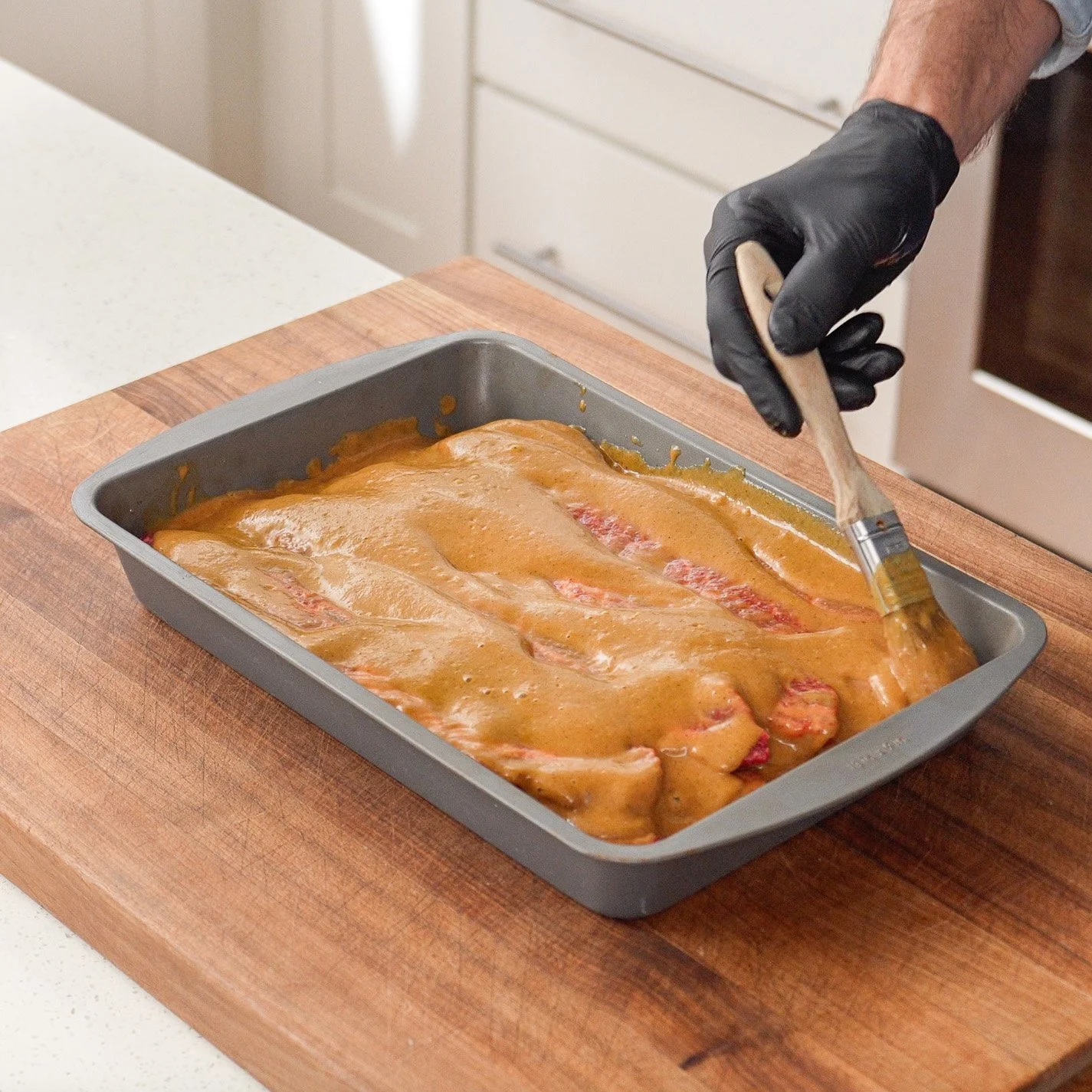
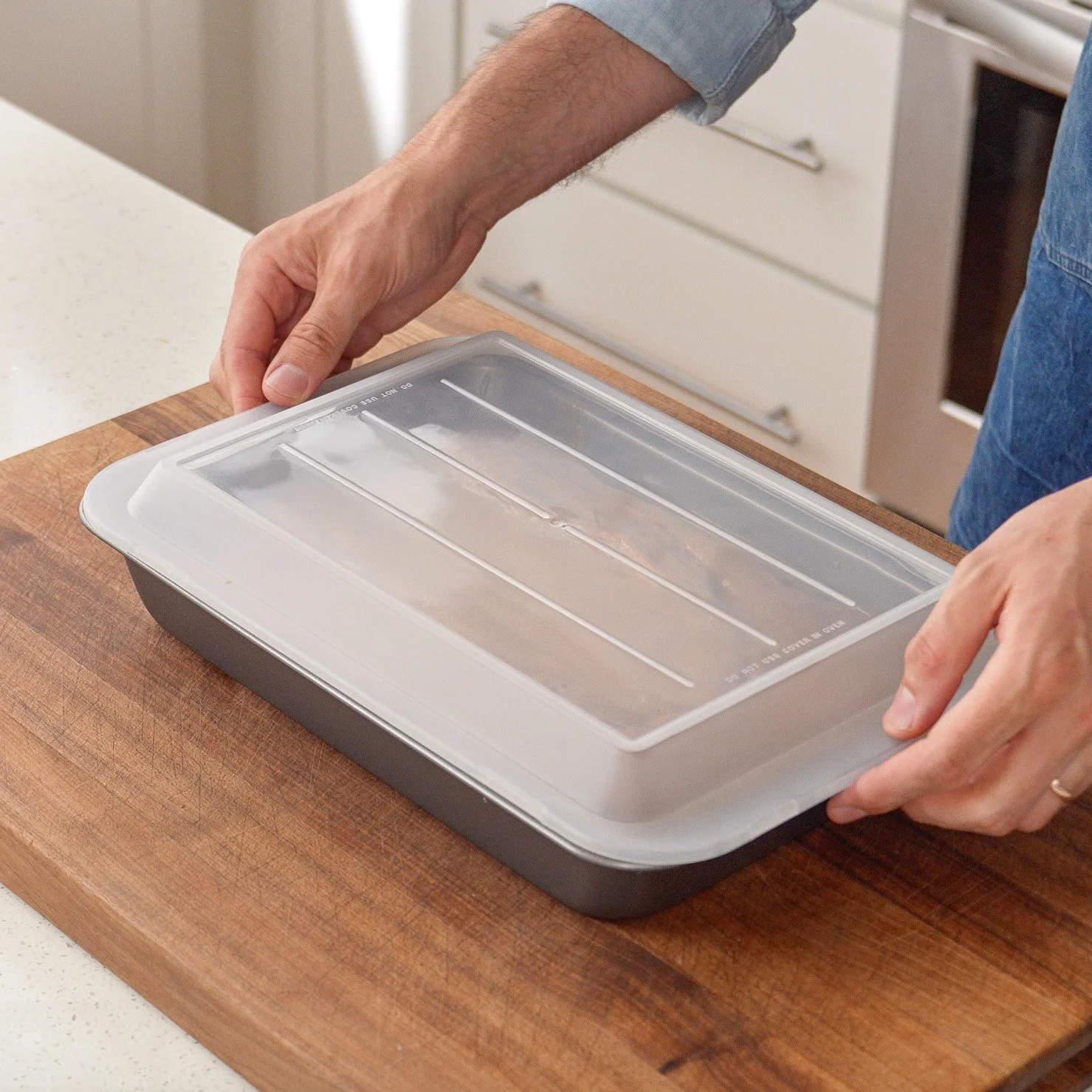
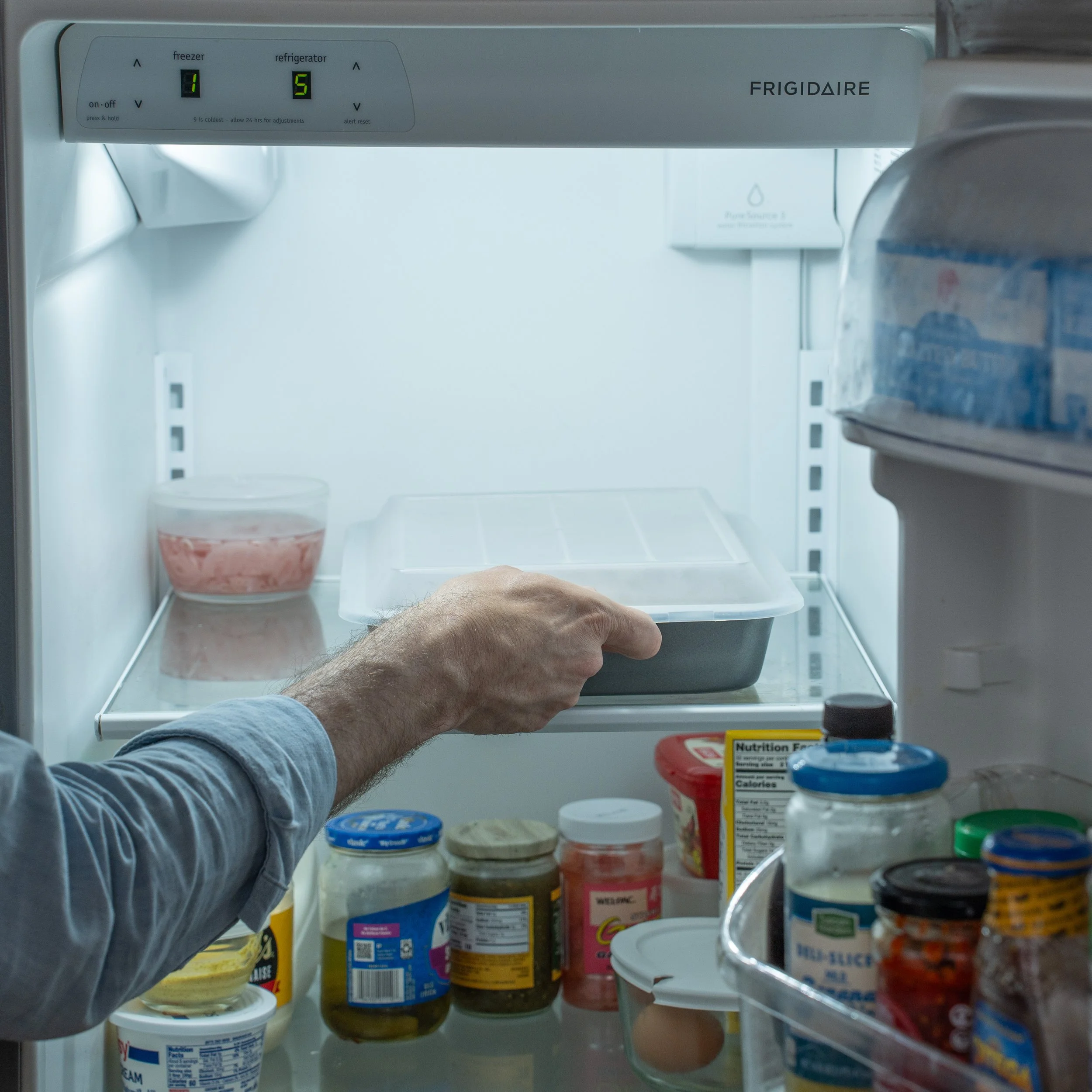
3. Marinate the Ribs. Lay all the ribs in 2 layers in a 9x13 baking dish. Pour the blended marinade over them and brush every piece so it's heavily coated on both sides. Cover tightly with plastic wrap and refrigerate for 12-18 hours. Overnight is ideal.
Can I skip the overnight marinade? You can give these as little as 2 hours and still get decent results, but the galbi loses more than half its flavor and tenderness when you rush it. The enzymes need time to work. If you can commit to overnight, do it.
4. Preheat the Grill. Heat Grill to 450-500F to start, it will cool once cold meat hits it. And a lukewarm grill steams the meat instead of searing it, and you need that initial blast of heat to set a real crust and keep the ribs from sticking.
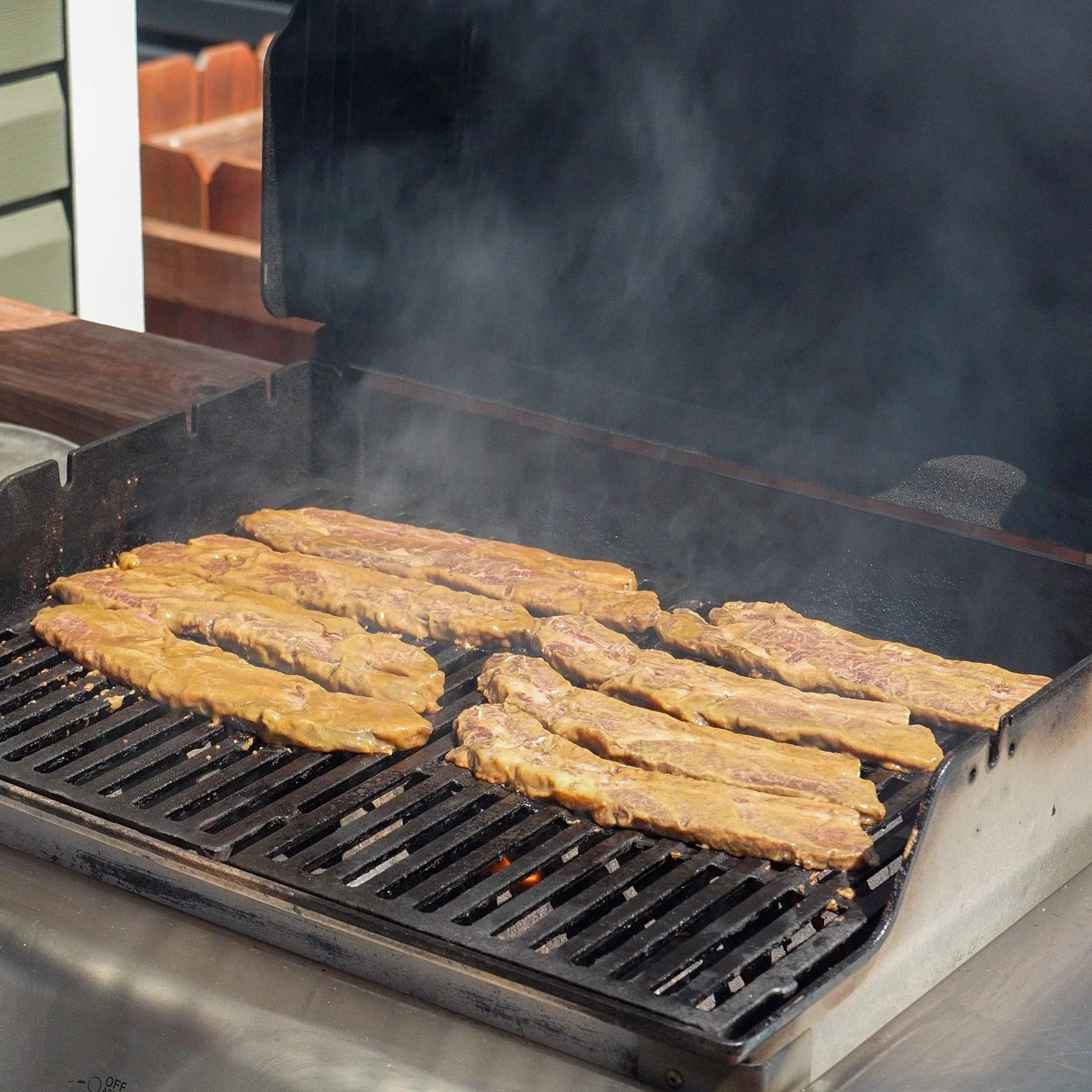
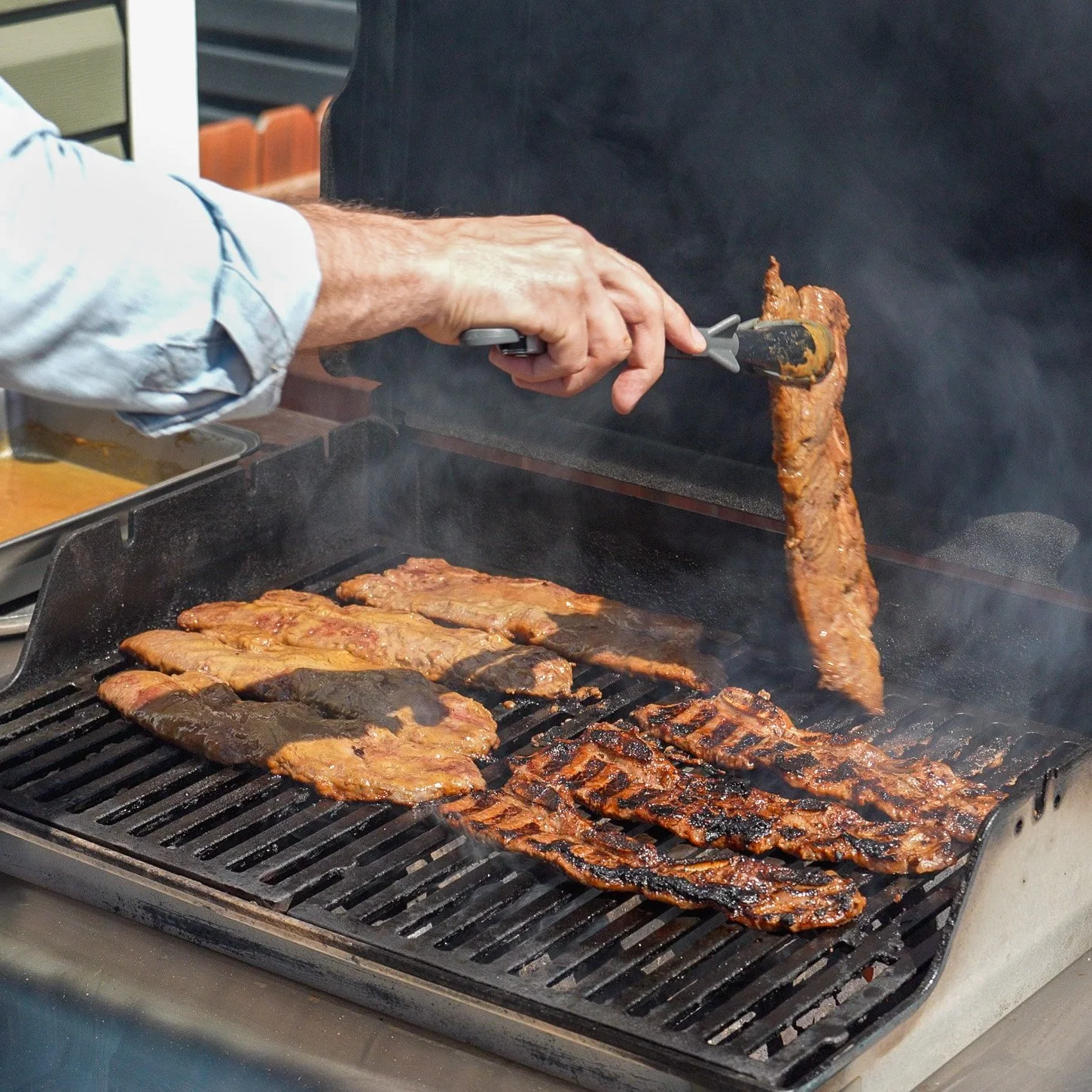
5. Oil the Grates and Start the First Sear. Right before the meat goes on, spray or wipe the grates liberally with oil, then lay each rib on the grill, letting the excess marinade drip off first, you don't need a thick coating going on, just what's already clinging to the meat. Too much pooled marinade on the surface means the sugar burns into a bitter black crust before the meat cooks. Close the lid and sear 3 minutes.
How do I know when to flip after that first sear? Peek under one piece — you want deep mahogany color with real char marks where it touched the grates. If it sticks when you try to lift it, give it another 30 seconds. Caramelized meat releases itself from the grates when it's ready.
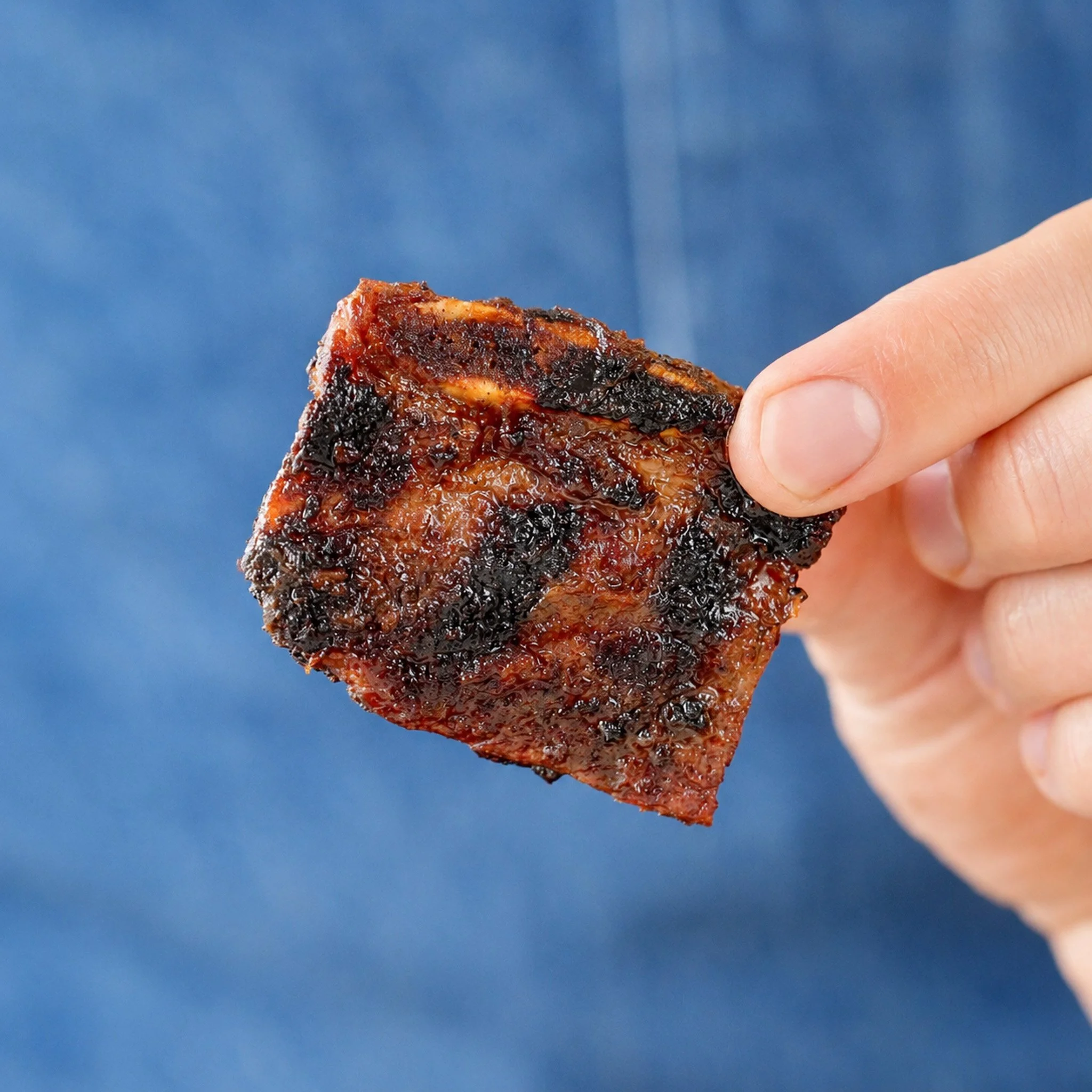
6. Brush, Flip, Caramelize. Open the lid, brush the top side of each rib with fresh marinade, then flip. Close the lid for 1-2 minutes. Open, brush, flip again. Repeat this cycle roughly 3 more times. Or about 4 flips in total…Total cooktime for ribs should be 10-12 minutes over medium high heat, lower heat to medium for last 3-4 minutes to avoid burning.
How do I get that lacquered caramelization without burning it? Short cycles. I usually don't go longer than 2 minutes per side. This is similar to how you naturally cook socially at a Korean BBQ restaurant, your sipping your HITE beers while chatting and flipping until the meat looks charred and tasty. Use your senses and keep it moving.
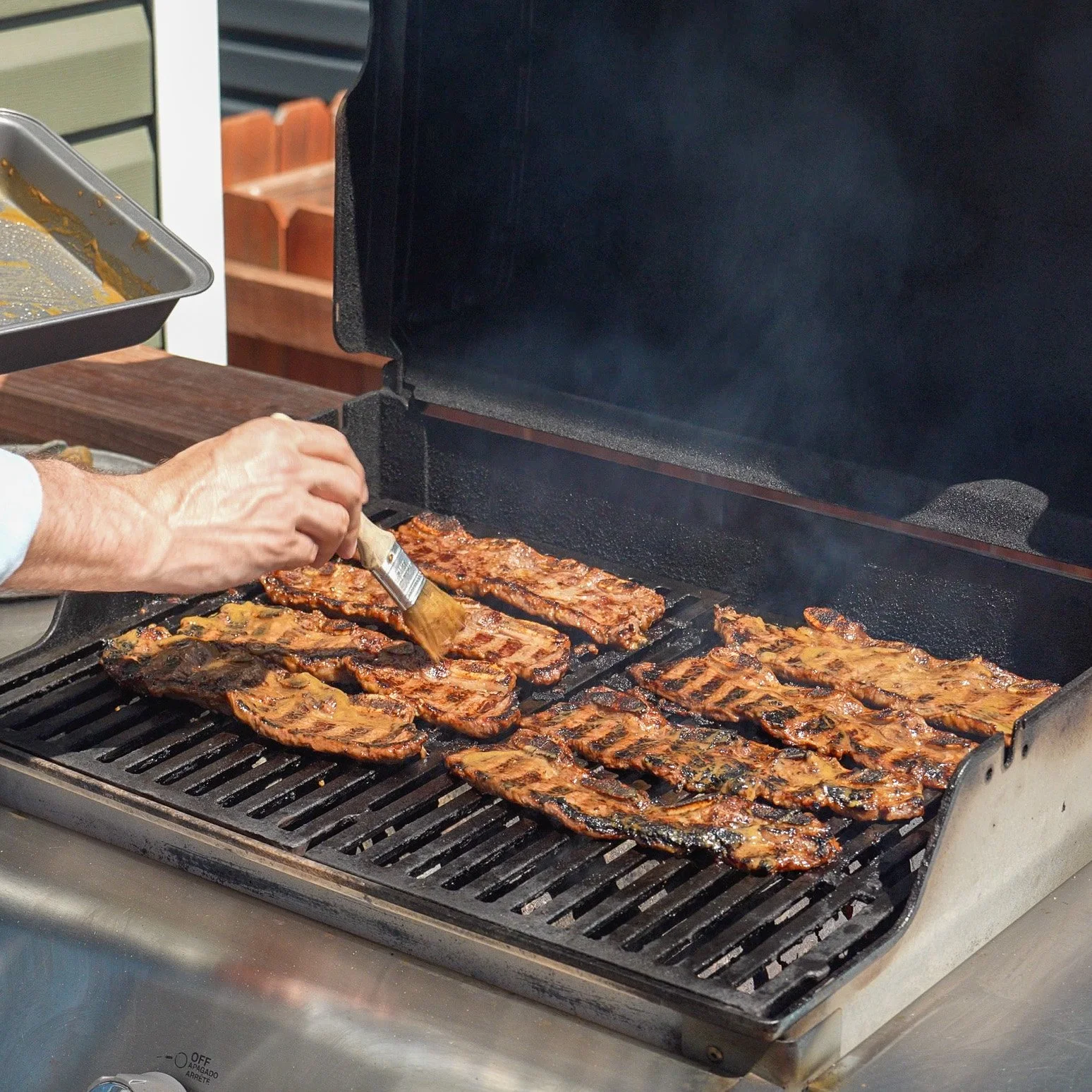
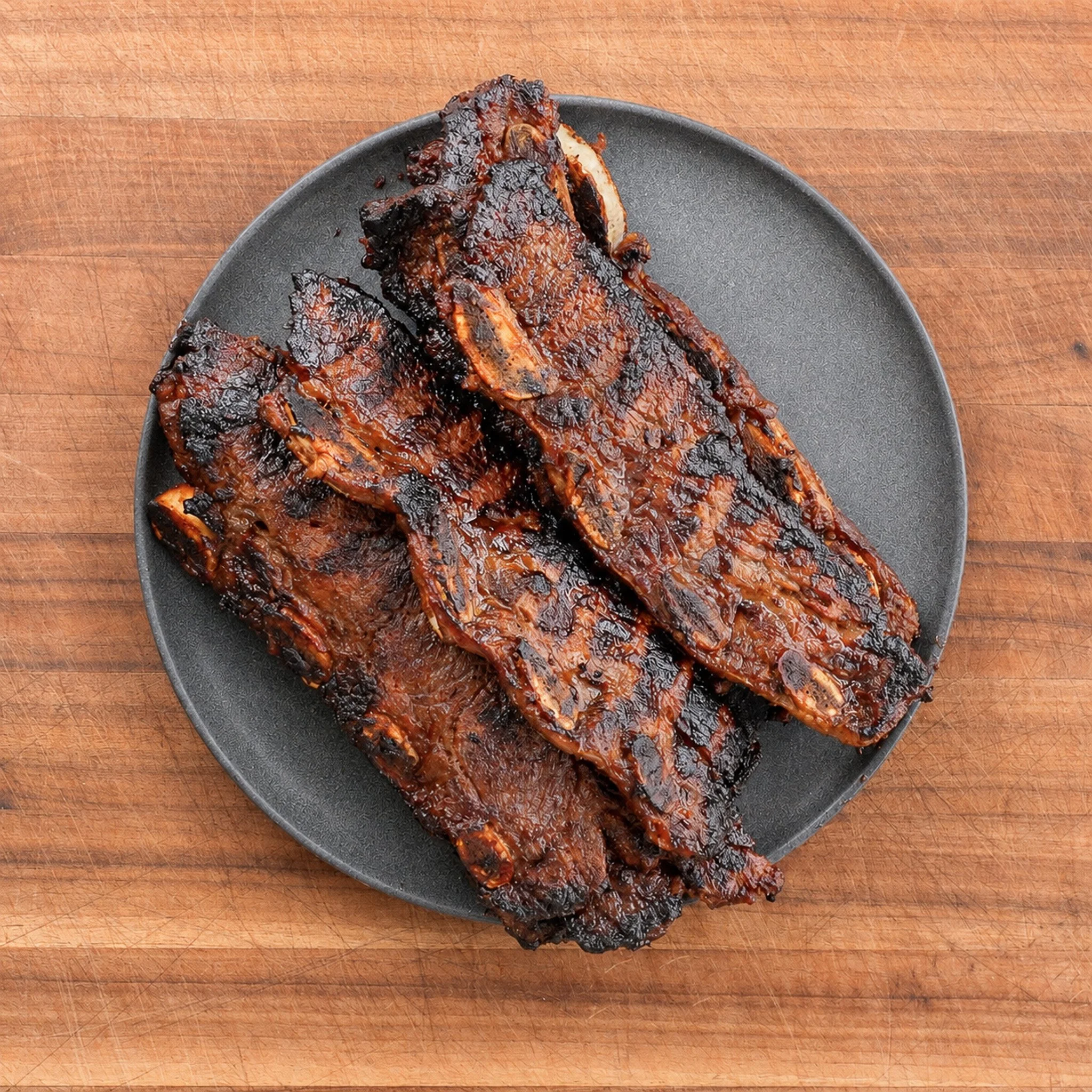
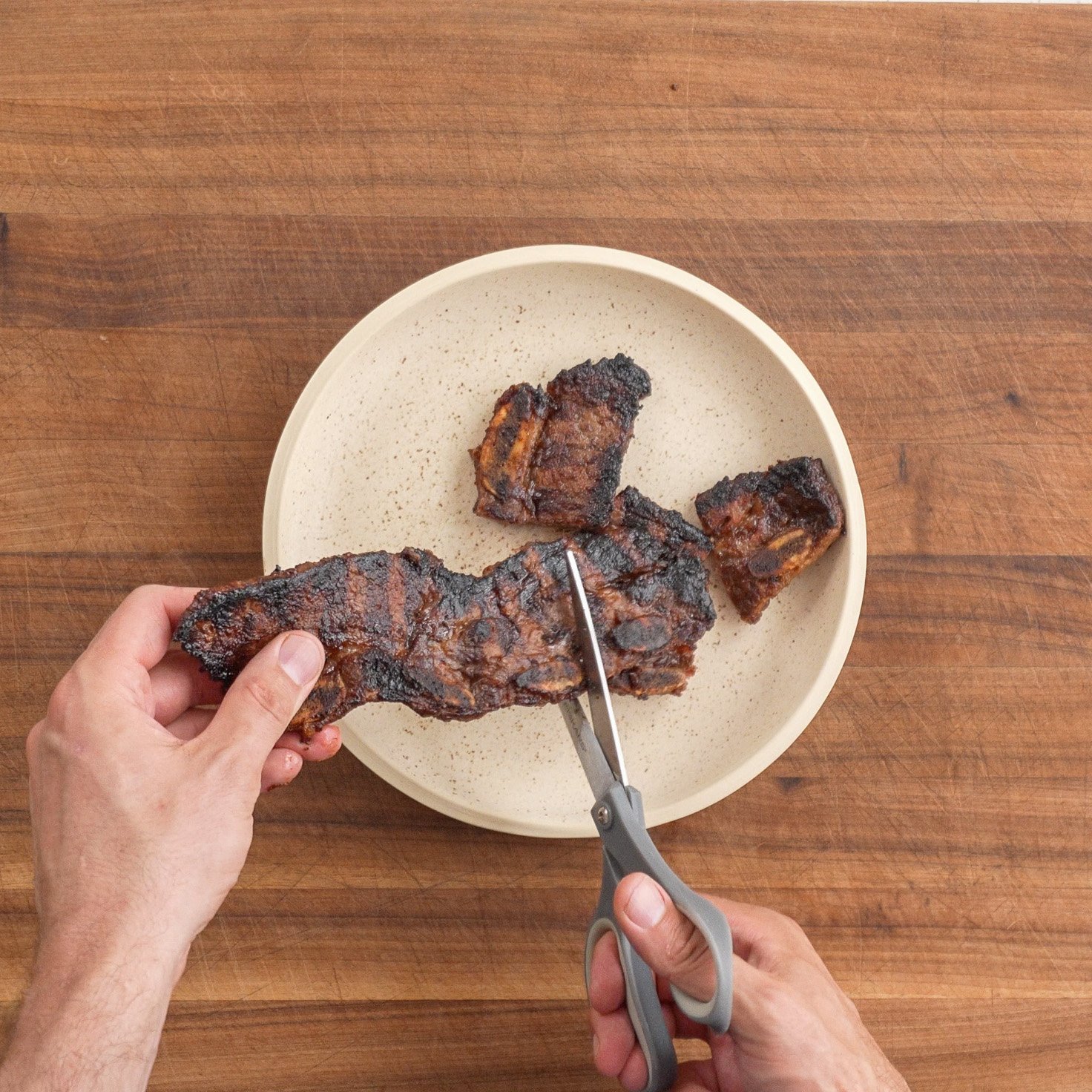
7. Rest and Serve. Pull the ribs off the grill and let them rest for 5 minutes on a cutting board. They're thin, so they don't need long, but even a brief rest lets the juices redistribute and lets the caramelized exterior firm up, which makes the texture better when you bite in. Cut with scissors between the bones into bite-sized pieces and serve immediately with white rice and kimchi.
Storage & Make-Ahead
The marinade can be made 2-3 days ahead and kept in the fridge. The ribs can marinate for up 24 hours before I start to worry about texture loss. At 48 hours your still probably ok, but its not ideal. They will also start to get salty at that point.
I really like the brownie pan lid for this BTW, its on sale at the grocery store next to the cheap brownie pans (I’ll also link to one below) and it allows me to stack stuff on top of the marinating ribs in the fridge. Plastic wrap works but, we all know it kinda sucks.
My Go-To Gear for Korean Short Ribs
Below are the tools I actually use when making this recipe. Some of these are affiliate links, which means I may earn a small commission if you purchase through them--at no extra cost to you.
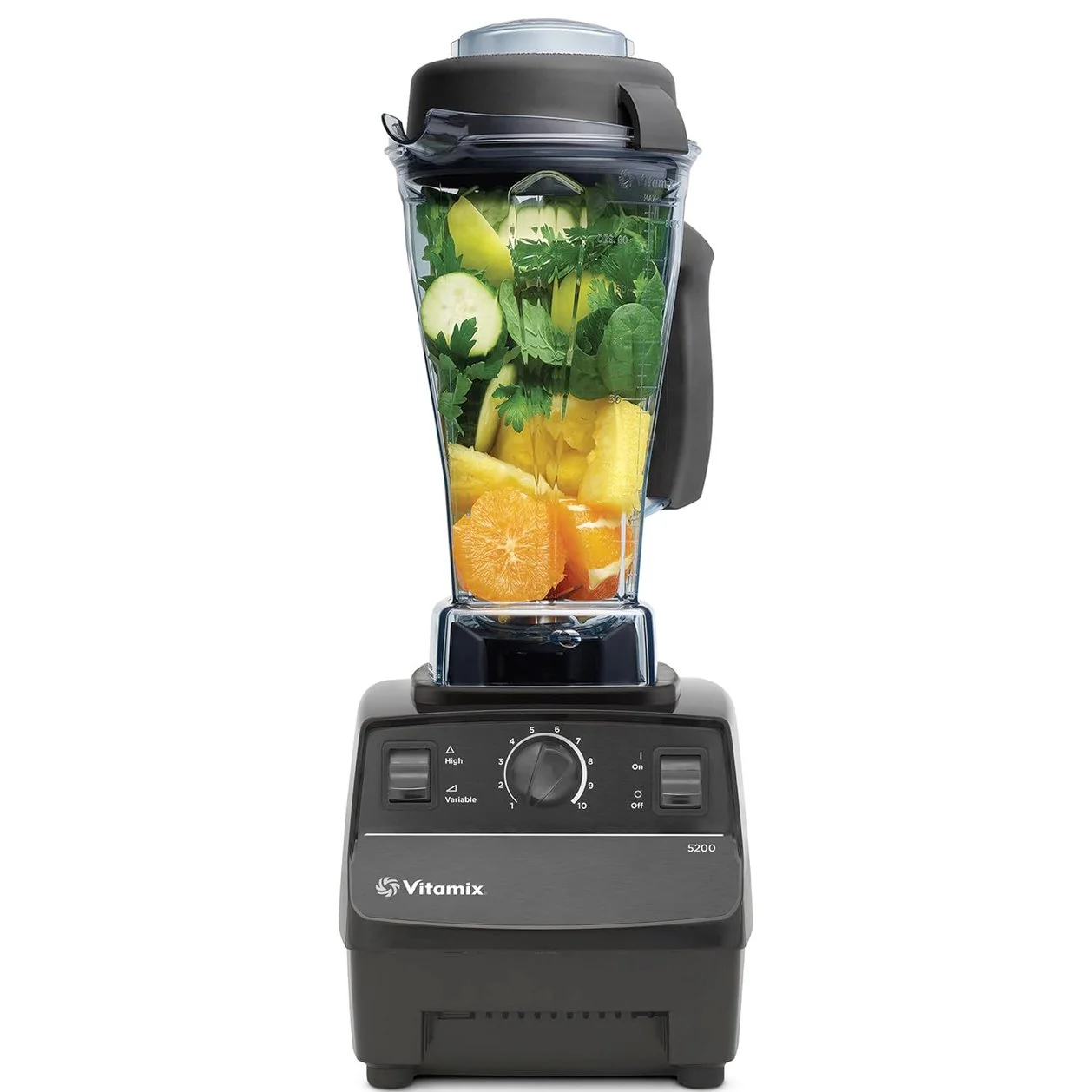
You need a real blender here, not a food processor or immersion blender. You want the marinade completely smooth so the enzymes distribute evenly across every piece of meat. The smoother the marinade, the more consistent the tenderization and flavor.
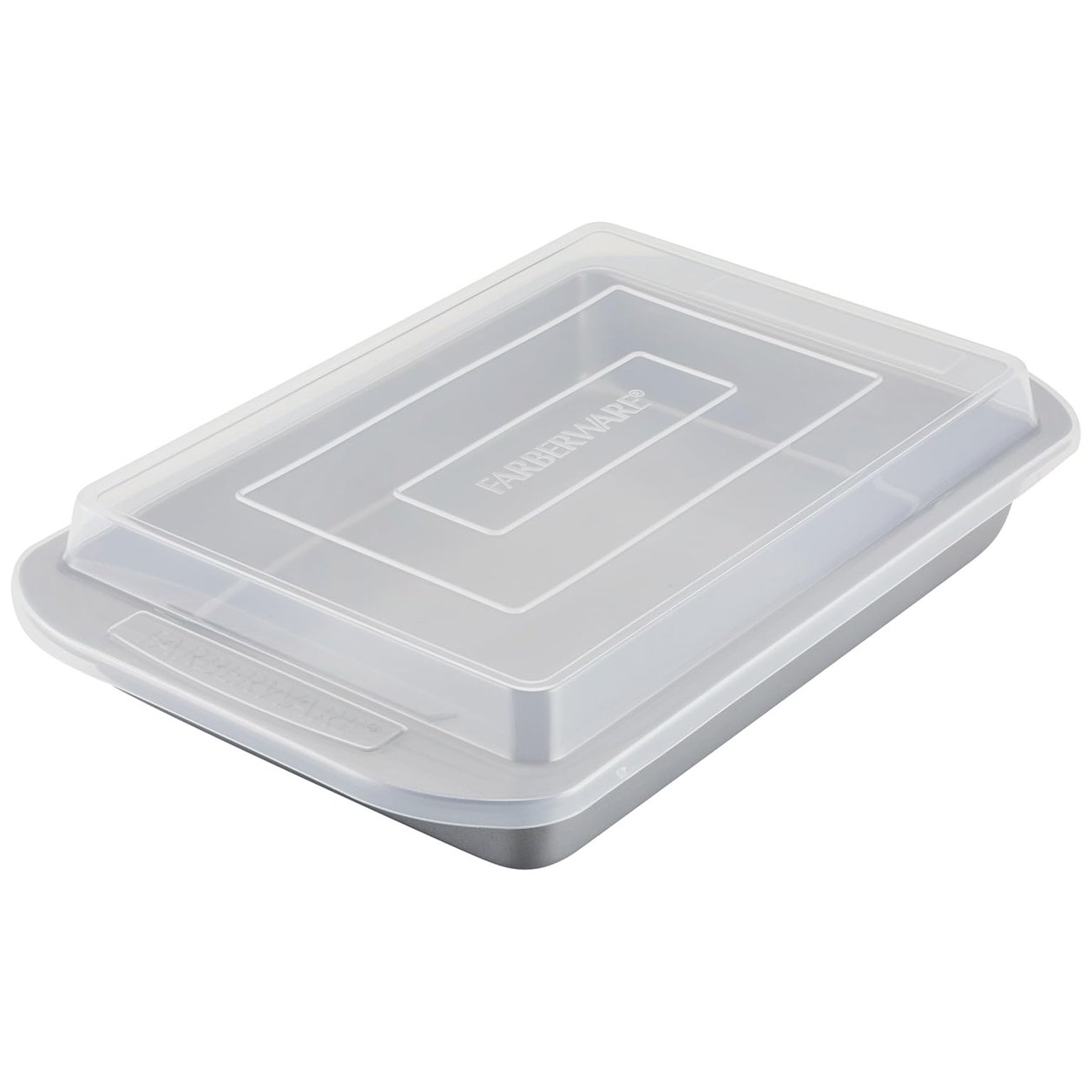
The long, flat shape is ideal for flanken cut ribs. All of my ribs fit in 2 layers (or close to it), and you can really slather each piece before stacking. I love using one with a lid so you can stack on top of it in the fridge. A zip-lock bag technically works, but it can fold up the meat which can pop out the bones and make them fall apart.
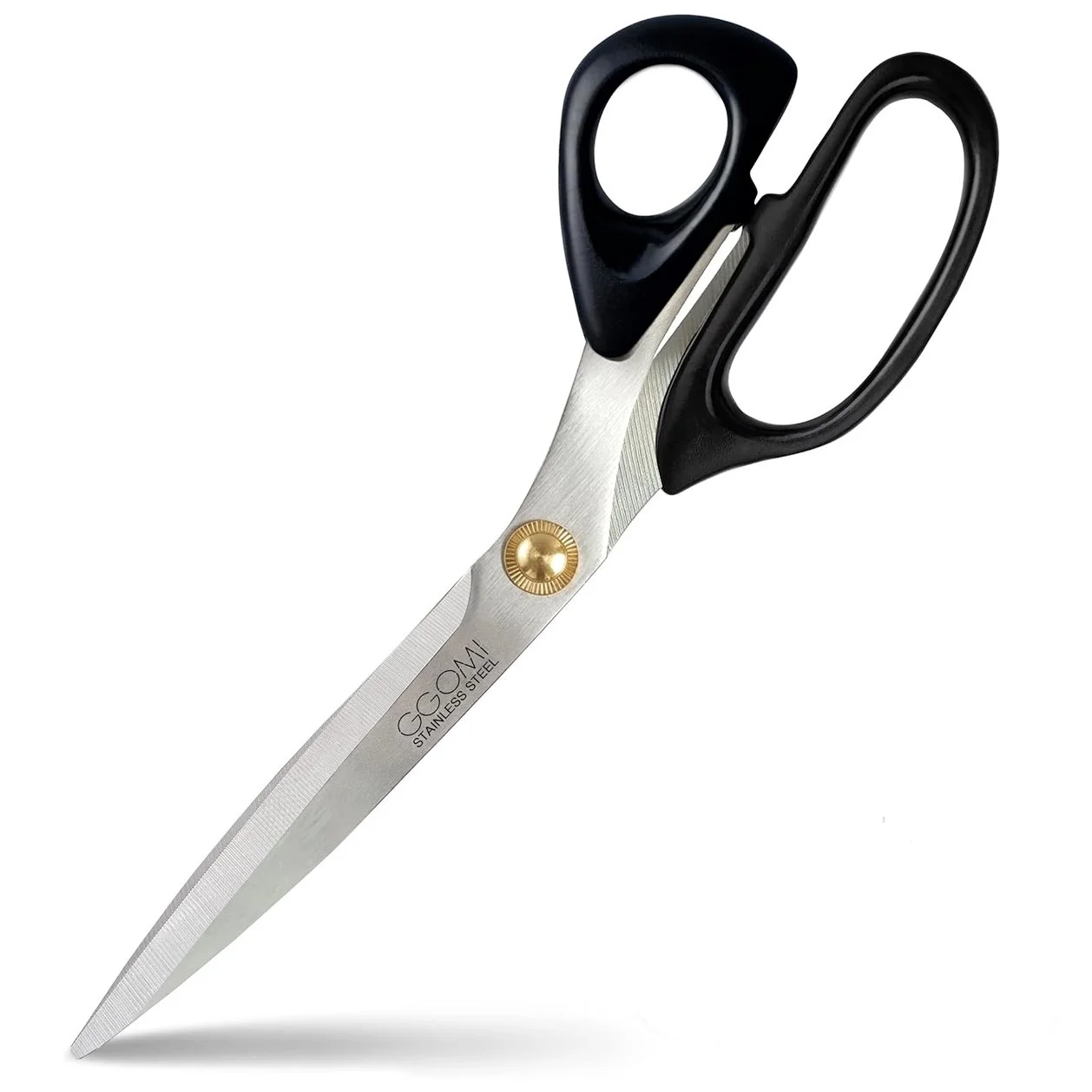
If you’re only getting 1 pair, a general-kitchen-use is the way to go Joyce Chen brand is standard for pro kitchens, but the real move here is Korean BBQ scissors — the kind you'd find at an asian grocery store. They’re longer and built for this exact use.
Frequently Asked Questions
Can I make galbi without a grill?
Yes. I would broil them on a sheet tray on foil and flip 2-3 times. Be careful and watch like a hawk.
My galbi keeps burning before it caramelizes. What's going on?
Two likely causes: the grill is too hot, or you're putting too much wet marinade on the surface before it goes on. The sugar burns at high temp really fast. Let the excess drip off the meat before it hits the grill, keep your flip cycles tight and if flames are jumping up and directly hitting the meat, slide it to a cooler zone or crack the lid.
Can I use this marinade on other cuts of meat?
Absolutely. It works great on chicken thighs, thinly sliced pork shoulder, beef skirt steak, or bulgogi-style thinly sliced ribeye. The enzyme action works on all of them. Keep the same timing guidelines but don't let any protein sit in this marinade past 24 hours.
What's the difference between galbi and bulgogi?
Both use a similar Korean BBQ marinade built around soy, sugar, garlic, and sesame, but the cut is the difference. Bulgogi is made with very thin slices of beef, usually ribeye or sirloin, while galbi uses cross-cut short ribs. Galbi has more fat, more chew, and bones to eat around, so it lands richer and a little more primal than bulgogi. Both are great, but they scratch different itches.
Can I marinate for less time if I'm in a rush?
Two hours is the absolute minimum if you want the enzymes to make any meaningful difference. Below that you're essentially just surface-flavoring the meat. The galbi is still edible, but it won't have that characteristic tenderness and depth. If you have 4-6 hours, you're in decent shape. Overnight is best.