
Salsa Taquera (Dried Chile Salsa)
This salsa summons the mysterious powers of the dried chile. It’s spicy, super intense, a little sweet, and just a touch tart. If you want a taste of real Mexican cooking at home, this is a good place to start.
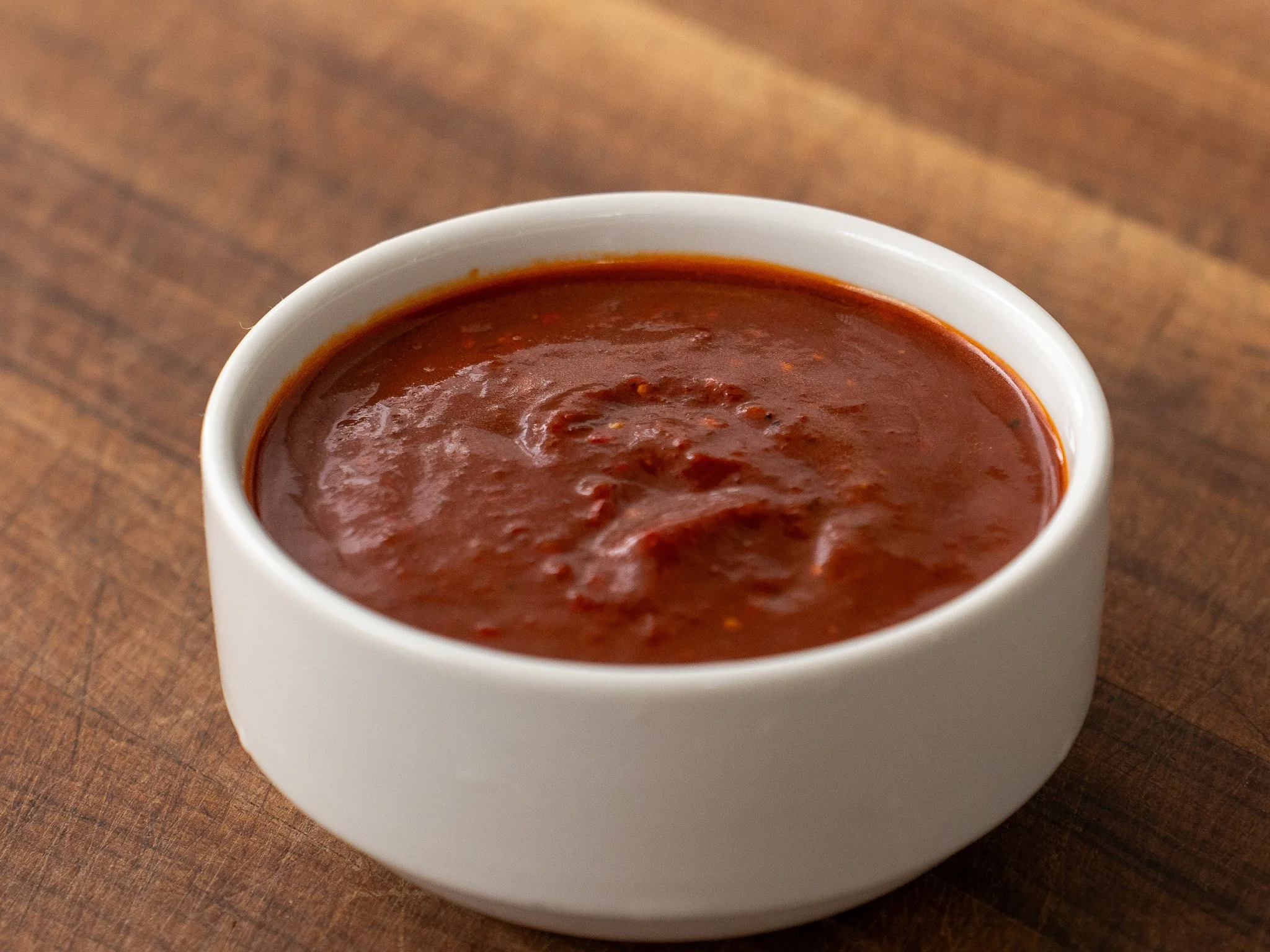
Why This Dried Chile Salsa Recipe Delivers
Dried chile salsas usually suffer from three main problems. They’re too bitter, waaaaay too spicy, OR they taste more like a flat pasty enchilada sauce than salsa.
This recipe is none of those things. I seed, toast and soak the chiles so they can reach their full potential. I roast the veggies until concentrated, tender and sweet. Then puree the perfect amount of veggies with the perfect amount of salt and acidity to season and brighten. This is a very simple salsa, but it’s potent. It’s also easy to screw up if you don’t have the right process so follow this recipe and the end result is a very special condiment you’ll want to keep making to have on hand again and again.
Brian's Pro Tips
Toast the Chiles, Don't Scorch Them - Two minutes of medium dry heat wakes up the oils in the chile skins and blooms their flavor. This takes them from flat and papery to fragrant and fruity.
Soak to Kill the Grit - After toasting, it’s essential to soak the chiles in hot water for 15 minutes. This rehydrates the leathery skins so they blend into a silky purée. If you skip this, the chillies will be gritty in the salsa. Before you blend, the skins should be pliable and a little swollen.
Taste the Soaking Water Before You Use It - The chile soaking water can sometimes be bitter depending on how hard you toasted the chiles or how long they were sitting on the shelf at the store. I recommend tasting it before you use it. Sometimes it’s fine, and sometimes it’s not. If it tastes bitter, don’t add it to the salsa. Instead sub in 120g of fresh water.
Fry the Salsa - Pouring the blended purée into hot oil brings a surprising amount of depth to the final salsa. The sizzle makes it more savory, helps the flavors mingle, and unifies everything into one cohesive sauce. You also get those little chile oil droplets on top, which soften the acidity and make the salsa feel rounder. I would not skip this step.
Key Ingredient Notes & Substitutions
A full ingredient list and amounts are listed in the recipe below.
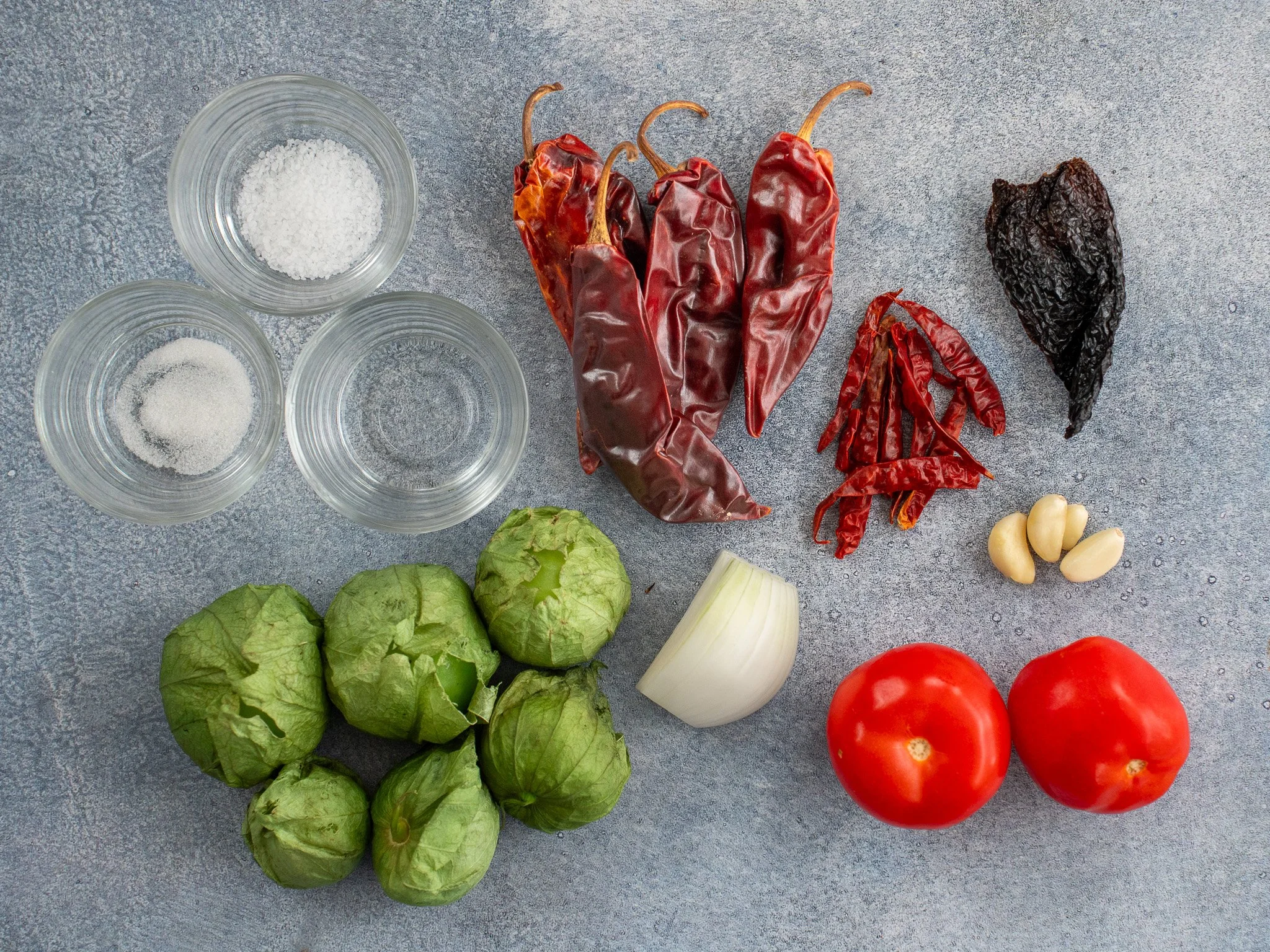
Guajillo Chiles - The backbone of the salsa. Guajillos bring bright, tangy, dried-berry fruitiness with mild, manageable heat. Stem and seed them before toasting. If you can’t find these, use dried New Mexico or California chiles.
If you CAN find guajillos, but none of the other chiles on this list, you can make this salsa from all guajillos. That said, you’ll be missing out on a lot of the depth and variety of flavor that the other chiles bring to the party.
Ancho Chiles - Anchos (dried poblanos) bring a dark, raisiny sweetness with an almost-chocolatey depth that balances the brighter guajillo. If you can’t find Anchos, sub in pasilla chiles.
Chiles de Árbol - These bring most of the heat in this salsa. They are quite hot so for most people 4-5 is probably enough. If you are sensitive Id leave them out and maybe feather in a little cayenne or chili flake.
Recipe
PREP TIME 15 min | COOK TIME 30 minutes | YIELD a little over 2 cups
Ingredients
20g (about 3) dried guajillo chiles, stemmed and seeded
1–2g (3–5 chiles) dried chiles de árbol, stemmed
5g (about ½ large) dried ancho chile, seeded
1L/1 qt water (for soaking chiles)
200g (about 2 small) tomatoes, halved
275g (about 5-6 medium) tomatillos, halved
50g (about ⅓ cup) white onion
10g (about 3 cloves) garlic
10g (about 2 tsp) white vinegar
2g (about ½ tsp) sugar
8g (about 1½ tsp) salt
100-120g (about ½ cup) chile soaking water (or fresh water)
neutral oil, about 1 tablespoon for frying
How To Make Dried Chile Salsa
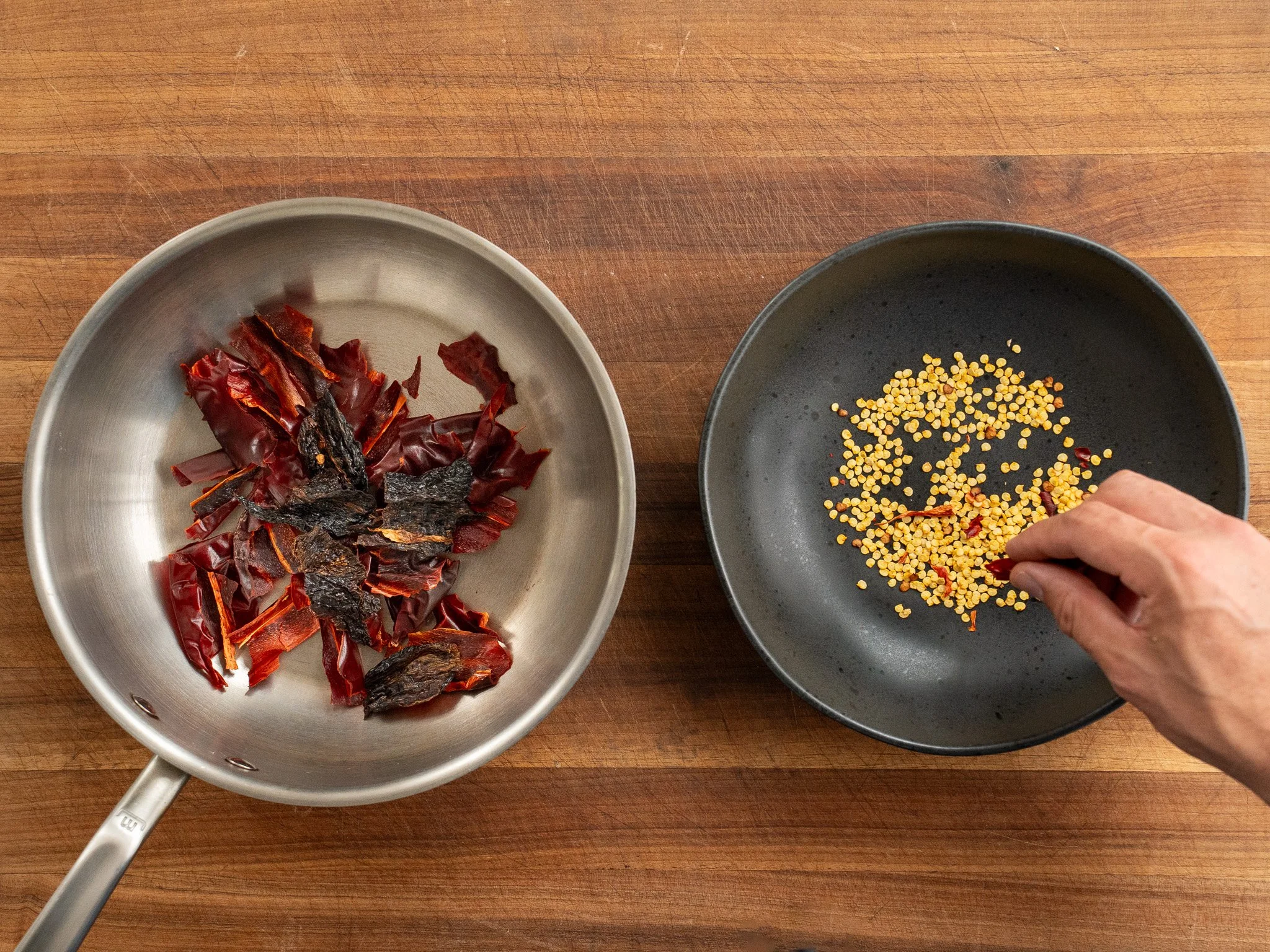
1. Prep the Chiles and Heat the Oven. Preheat the oven to 450°F/230°C. Stem and seed 20g (3-4) guajillo chiles, 5g (1/2 of 1 large) ancho chile, and 2g or 3–5 chiles de árbol.
Tear the de-seeded chiles into 2” chunks
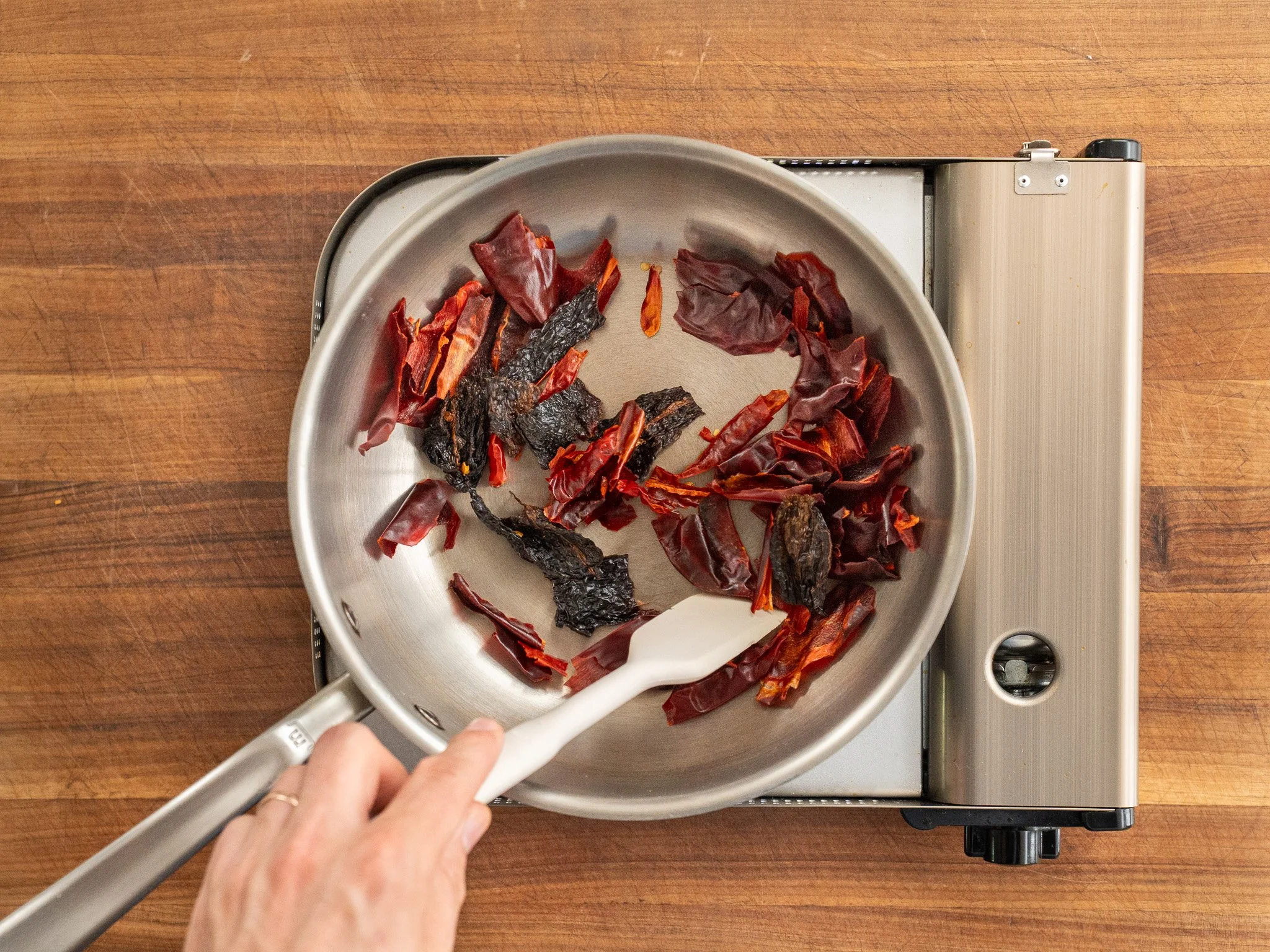
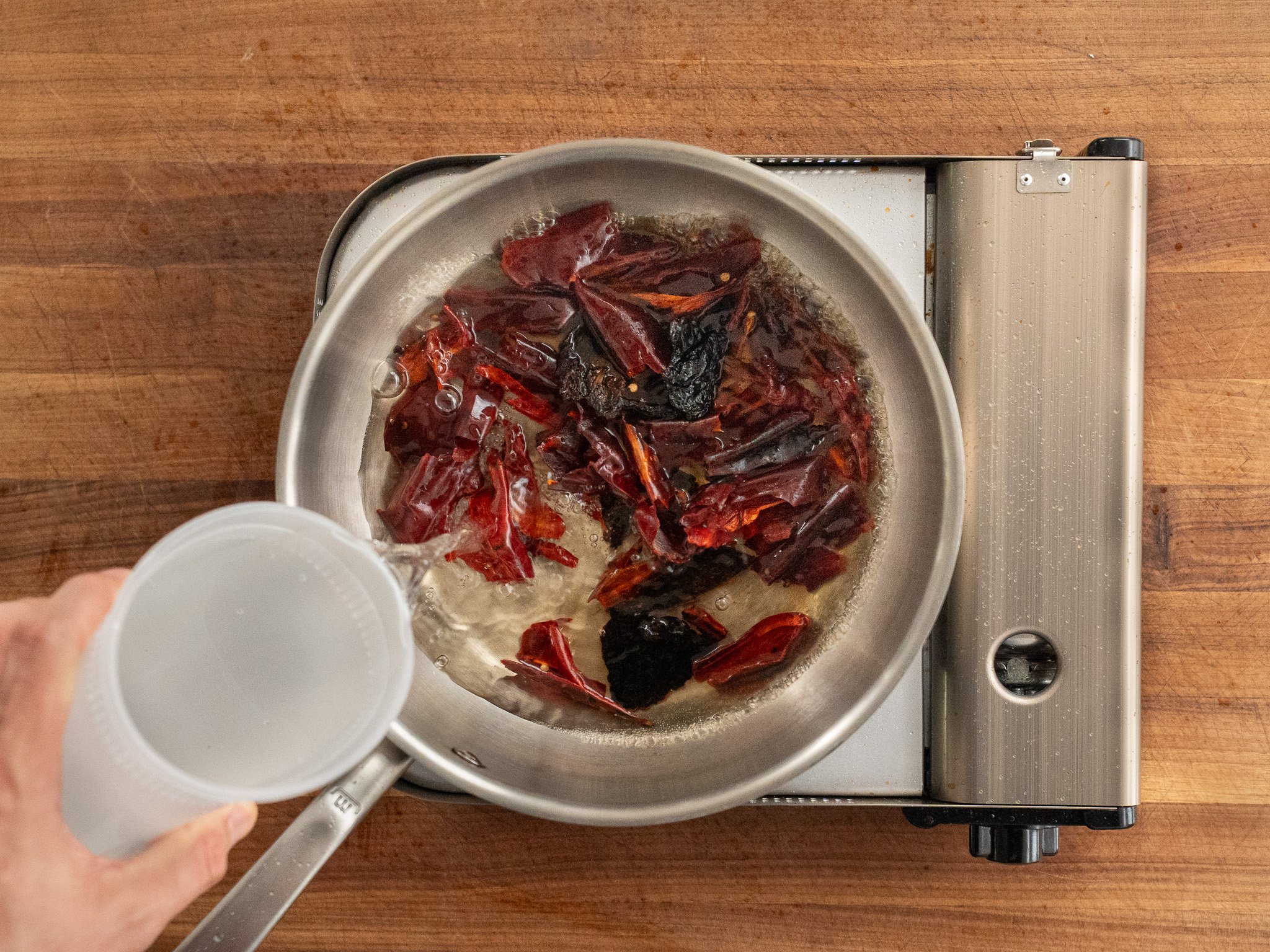
2. Toast the Chiles, Then Soak. Heat a dry pan and toast the chiles over medium heat, stirring frequently, until they're fragrant and have just barely started to throw off wisps of smoke. This should take about 2-3 minutes. Once toasted, add about a quart of water, turn off the heat, set aside to soak for 15 minutes.
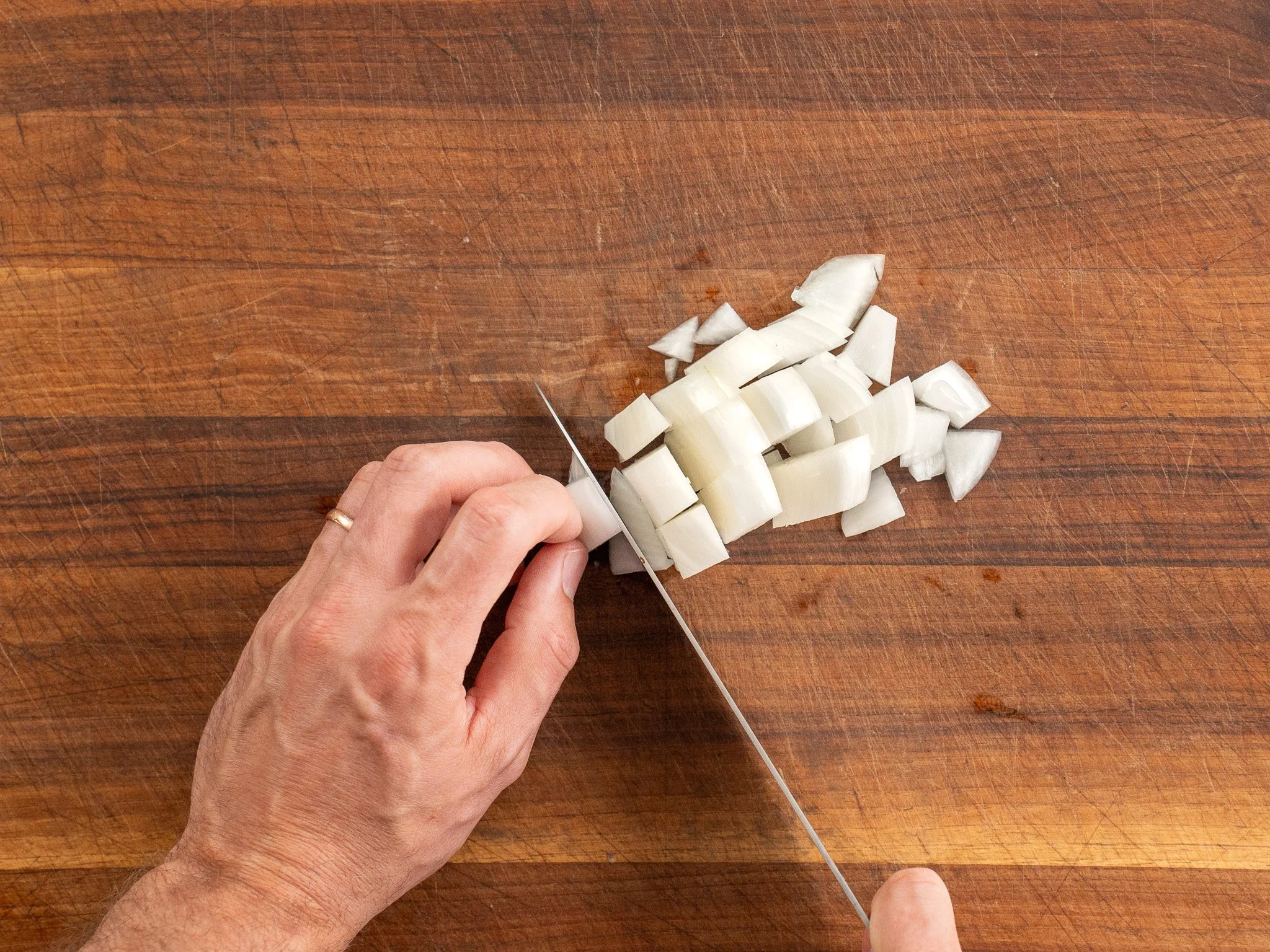
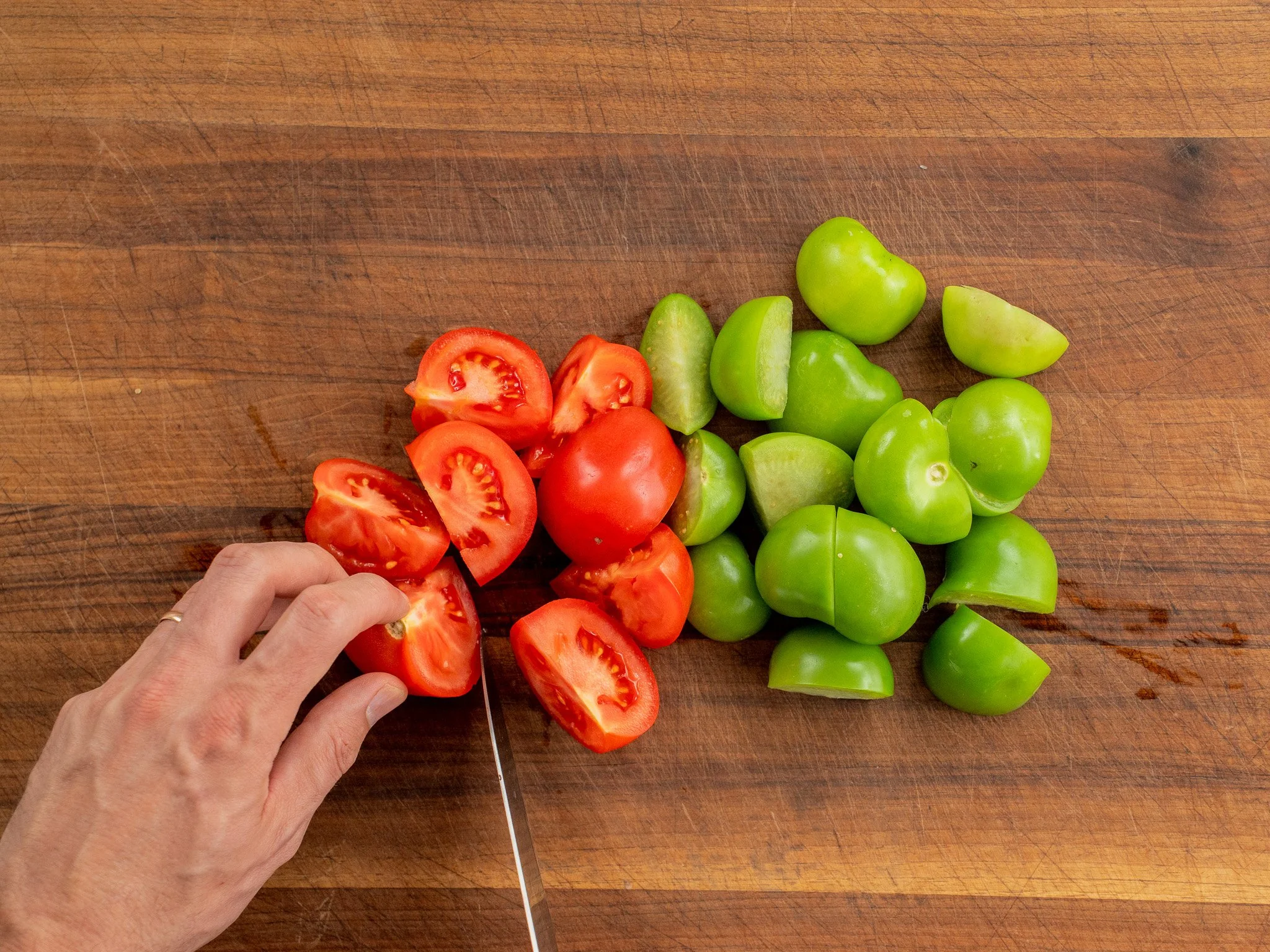
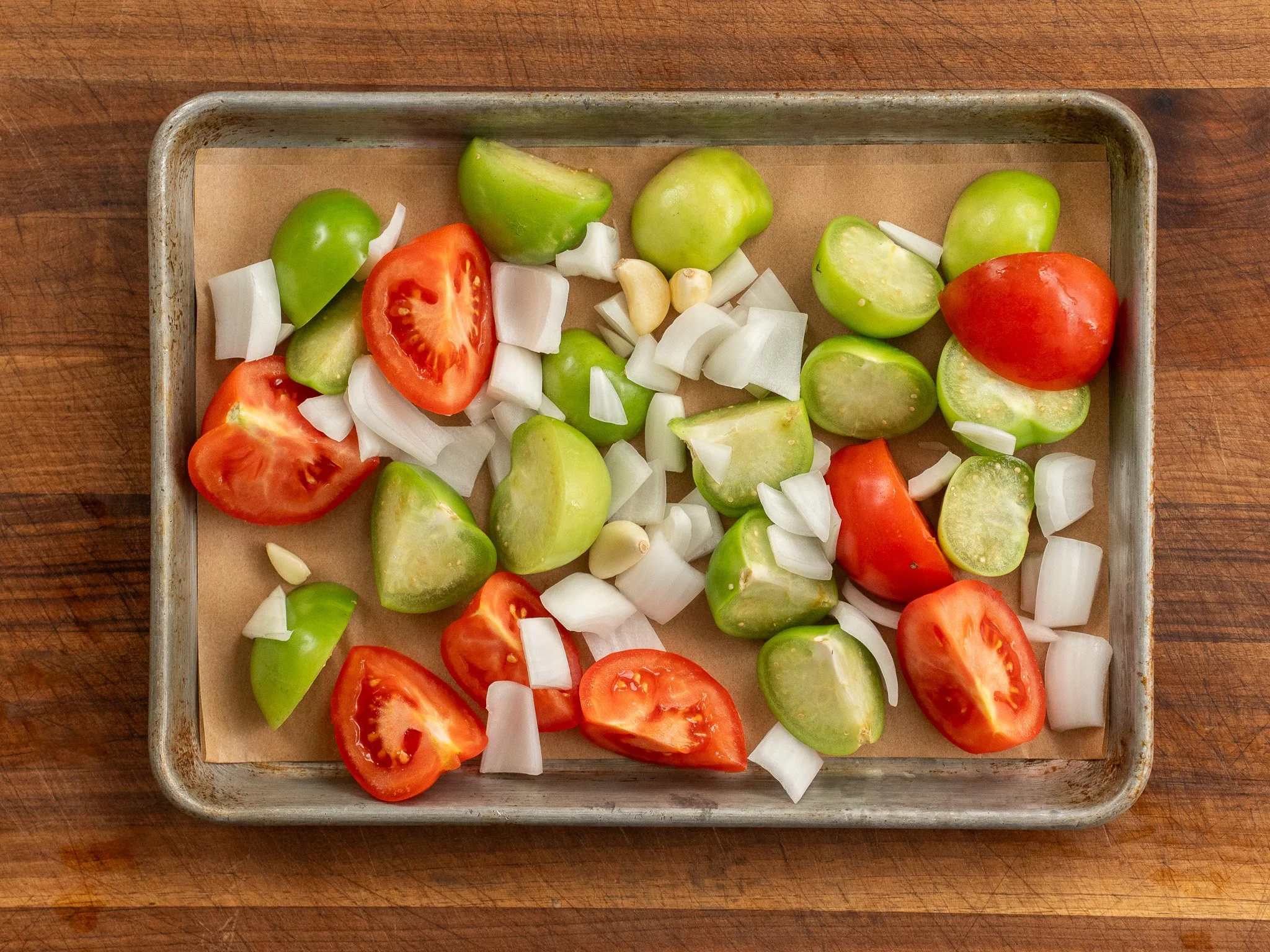
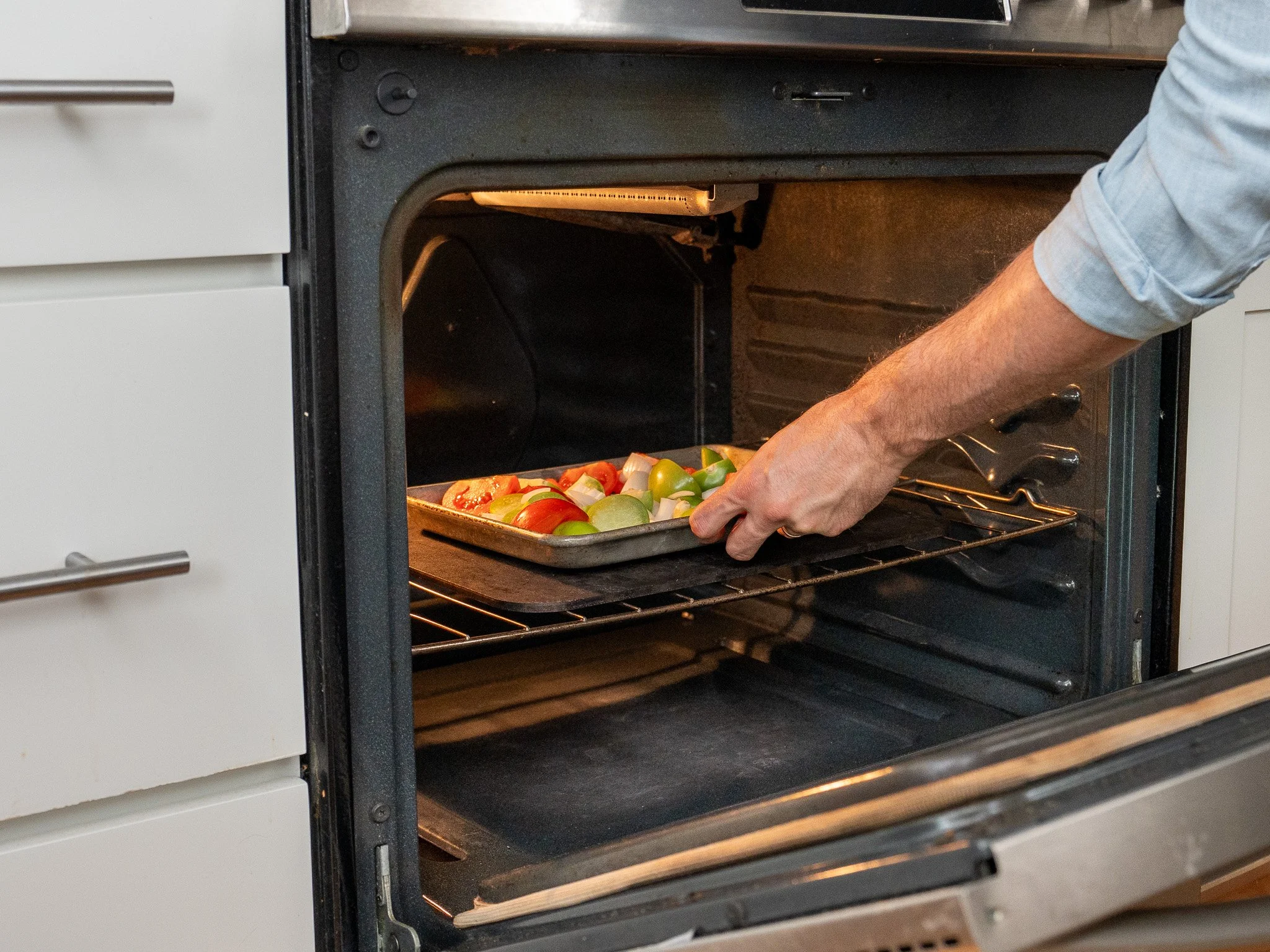
3. Prep and Roast the Vegetables. While the chiles soak, spread 200g halved tomatoes, 275g halved tomatillos, 50g white onion, and 10g garlic cloves on a parchment-lined sheet tray. Roast at 450°F/230°C for about 15-20 minutes or until everything's browned, blistered and softened. If at this point, the veggies haven’t taken on adequate browning, return them to the oven under a high broiler for about 2 minutes to catch some char. This gives you a little char flavor without adding too much additional softening.
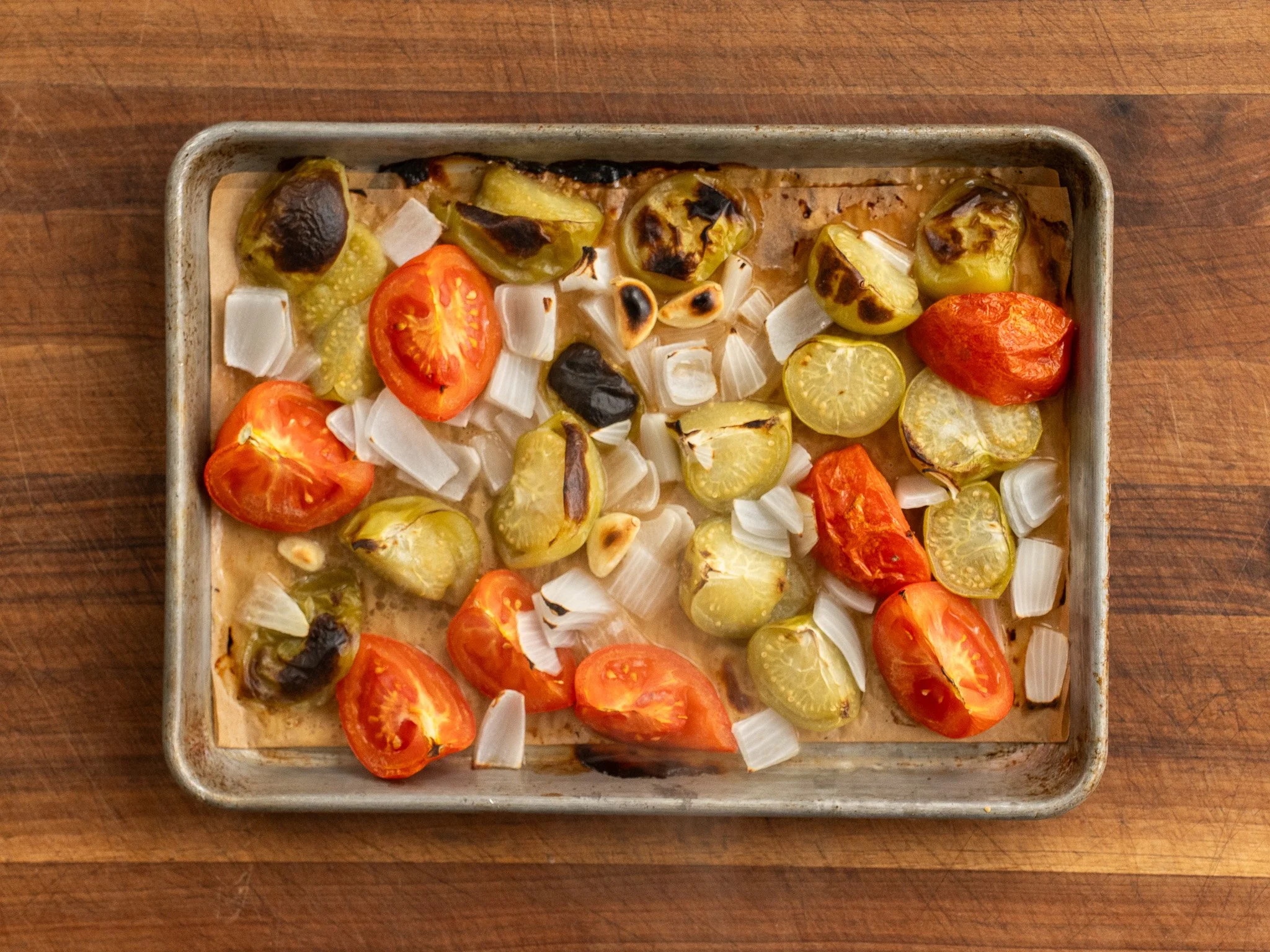
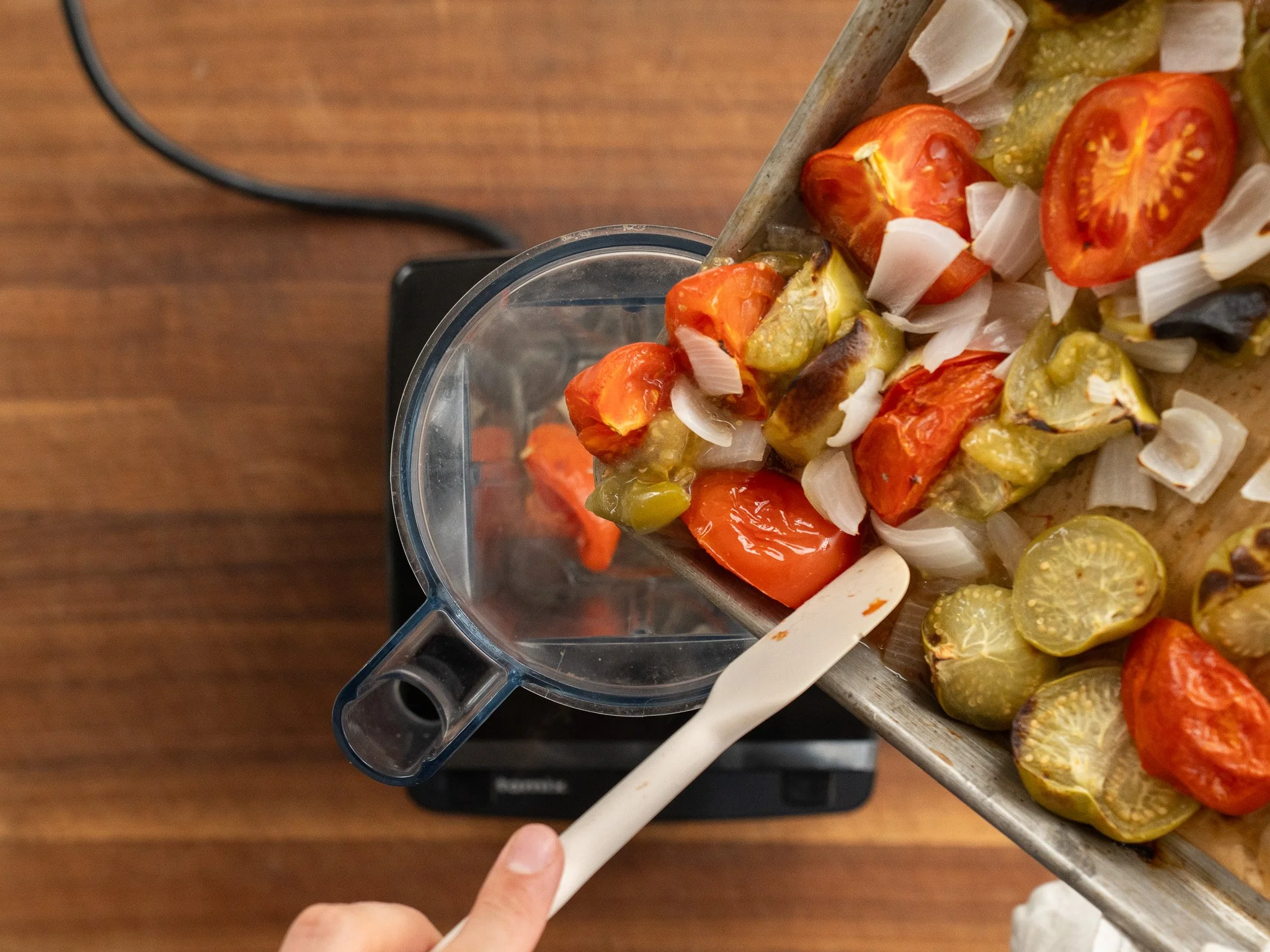
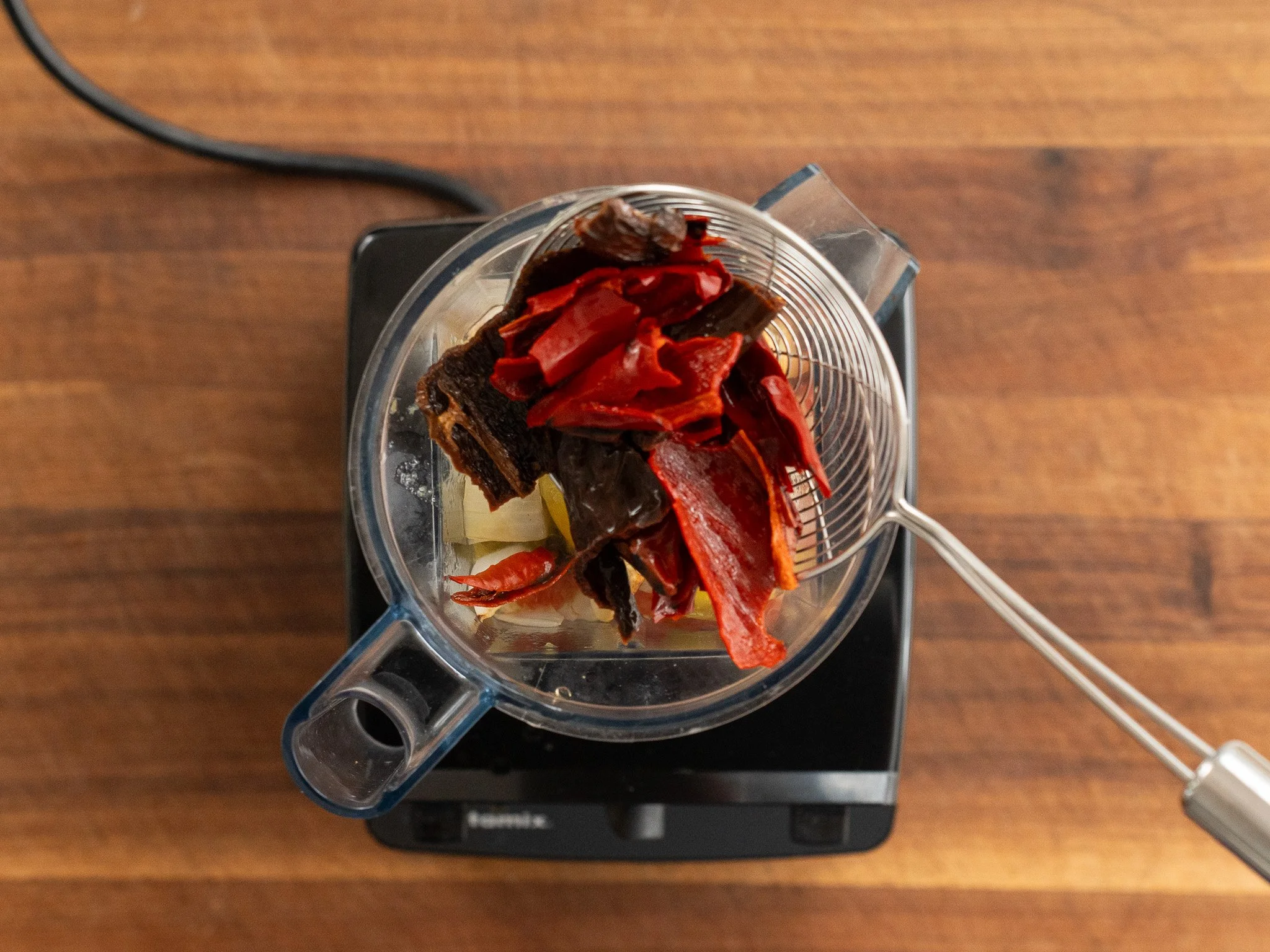
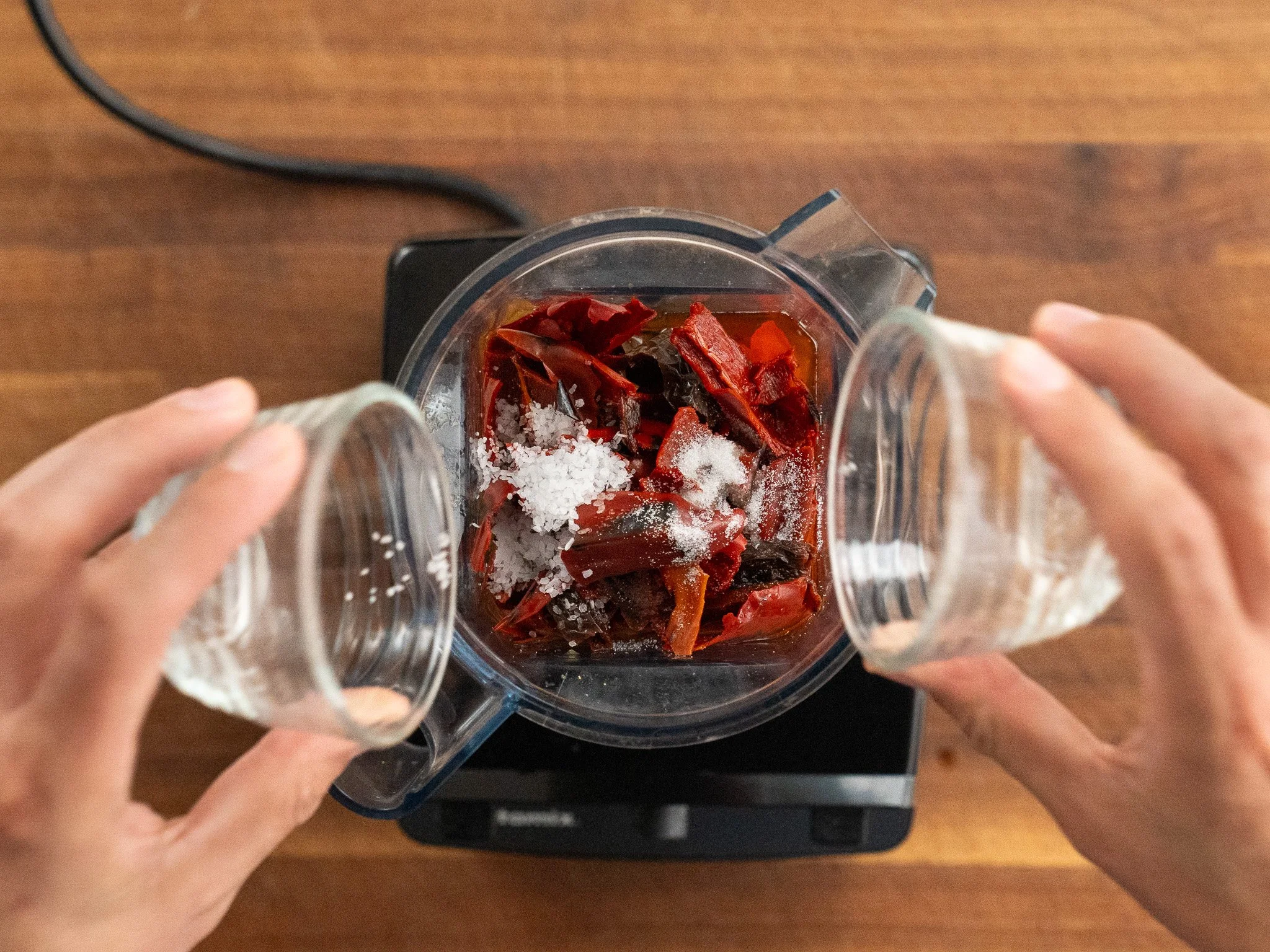
4. Add to blender jar and steam. Transfer roasted veggies and their juices into a blender jar along with the strained soaked chiles, 10g white vinegar, 8g salt, and 2g sugar. Cover and let stand 10 minutes to steam and cool slightly.
Why the pinch of sugar? It's not there to make the salsa sweet. It just rounds off the edges and balances the acidity from the tomatillos and vinegar.
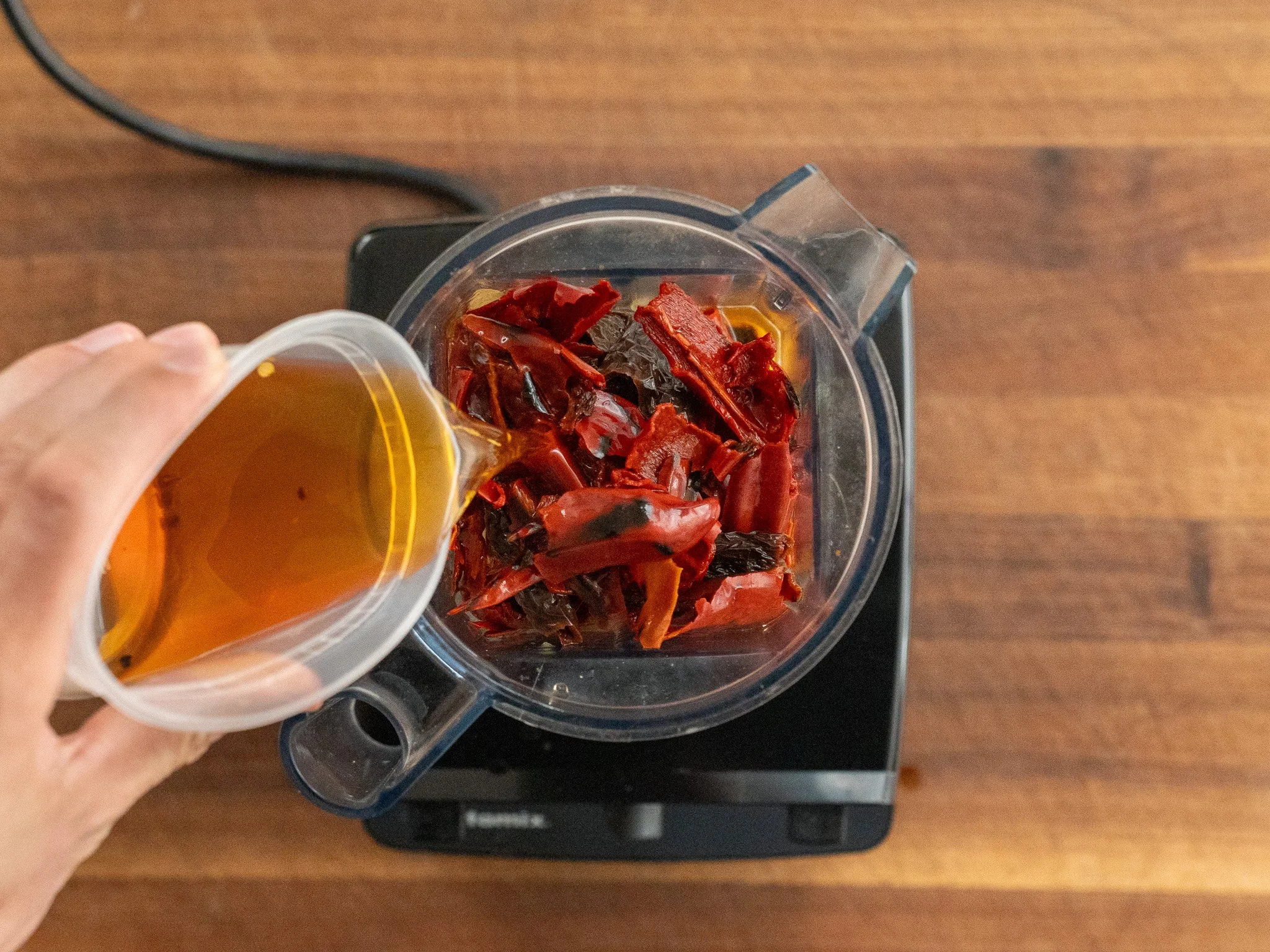
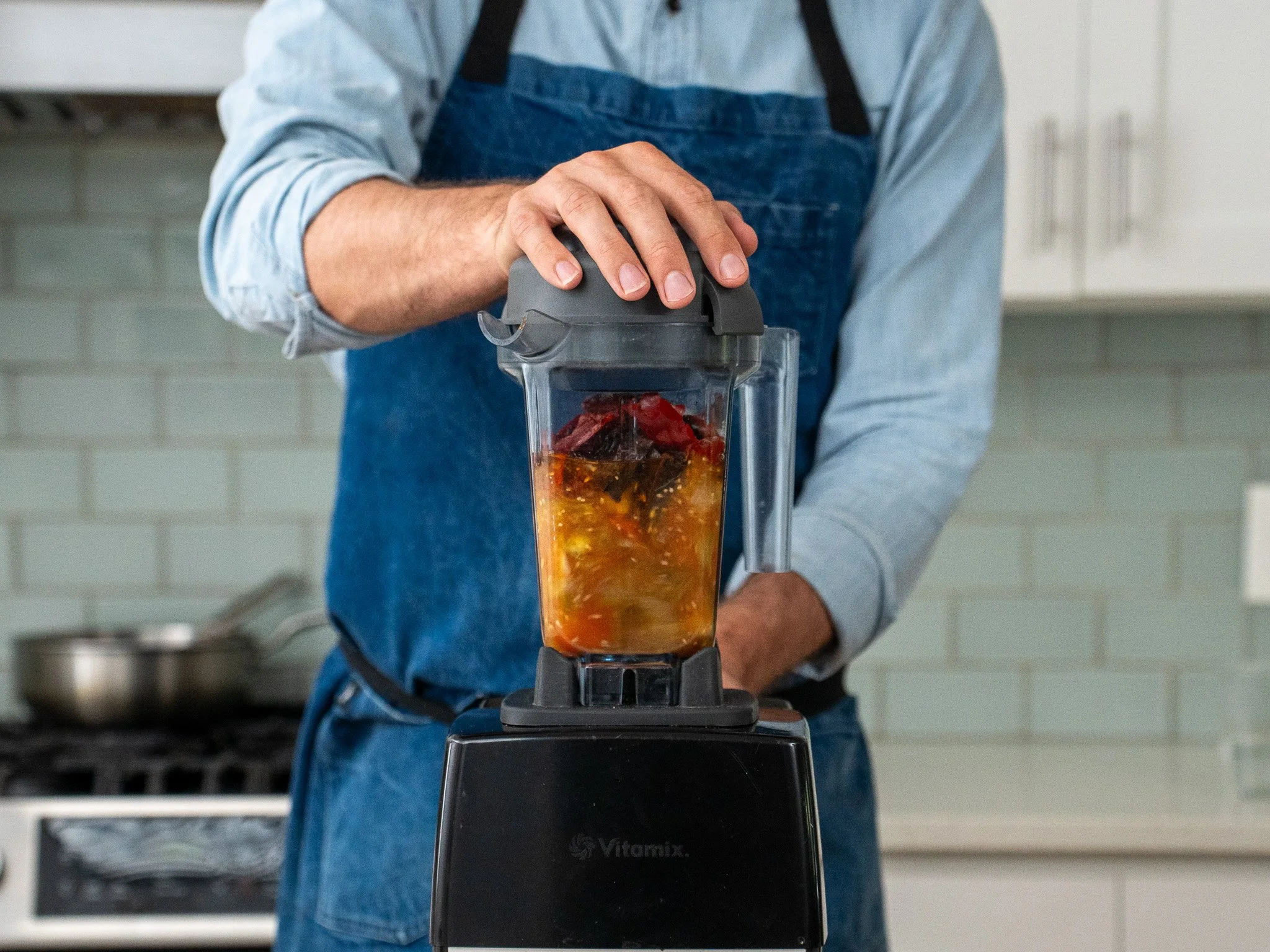
5. Check the Water, Then Blend. Taste the chile soaking water. If it tastes good and chile-y, reserve 120g of it for blending; if it tastes bitter, toss it and use 120g of fresh water instead.
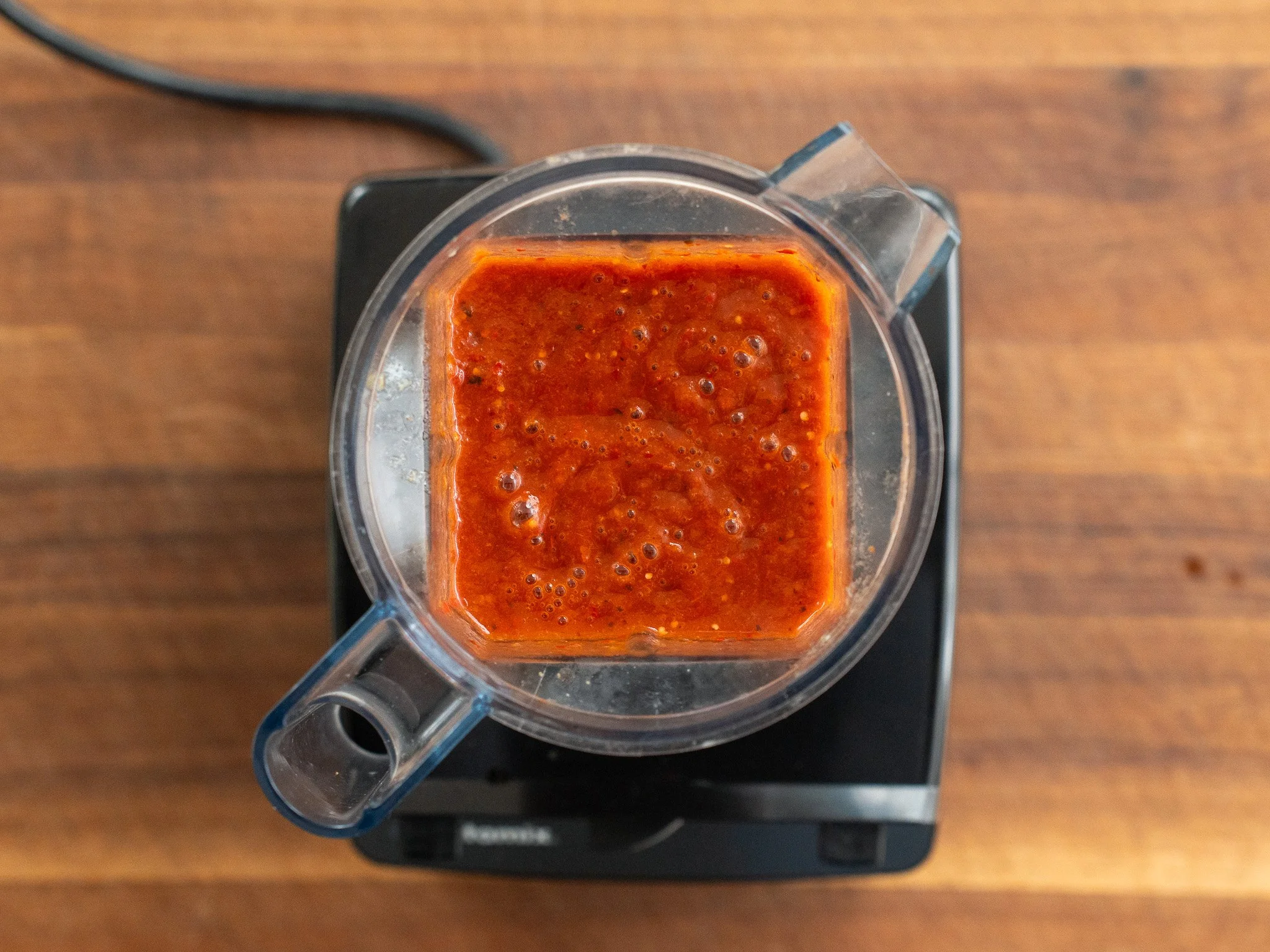
Add the reserved chili soaking liquid (or water) to the blender, cover, and spin the salsa on medium speed until it reaches desired consistency. I like it smooth but with a little bit of remaining texture. If you go super coarse the chile skins will stand out texturally too much.
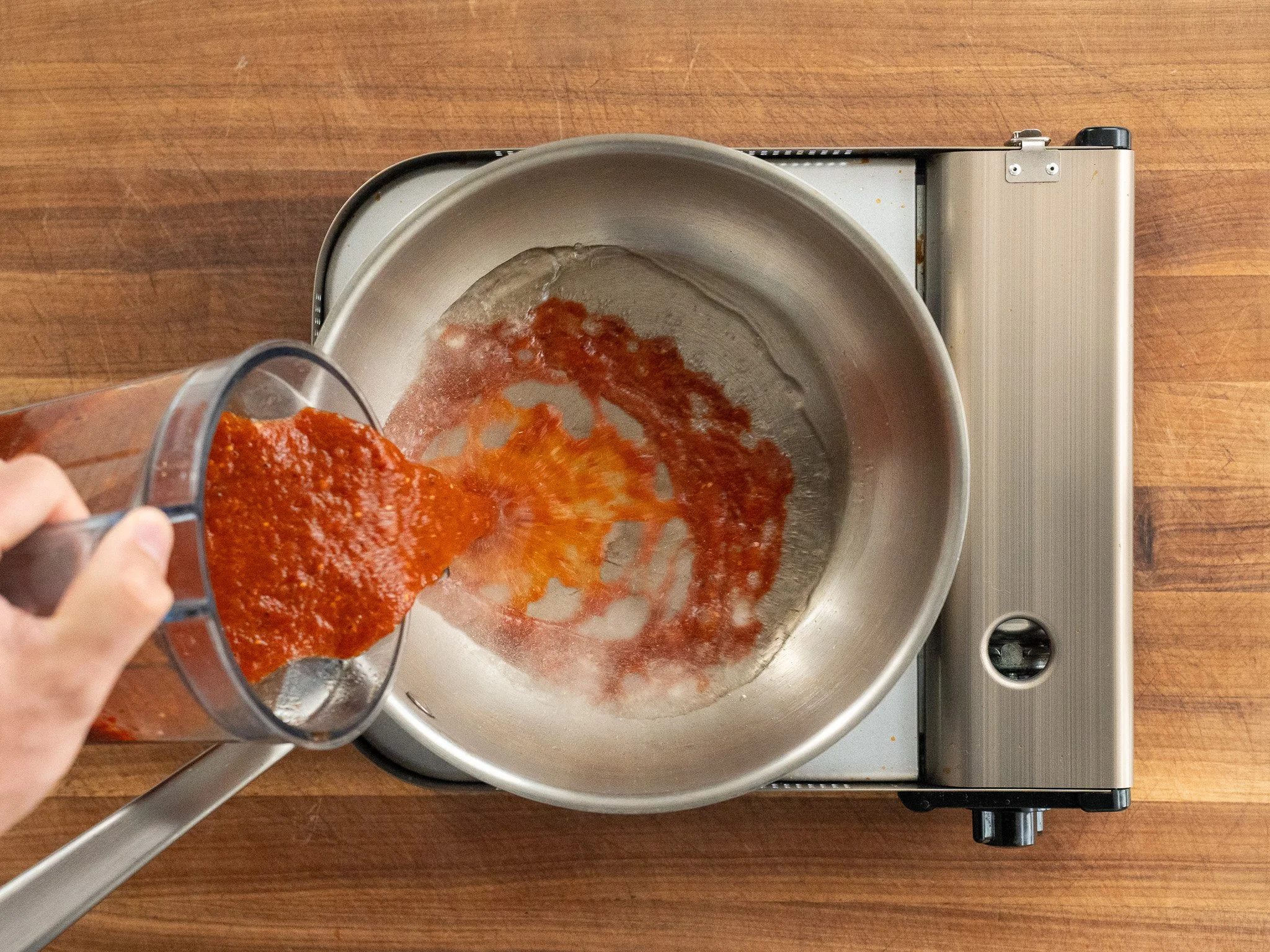
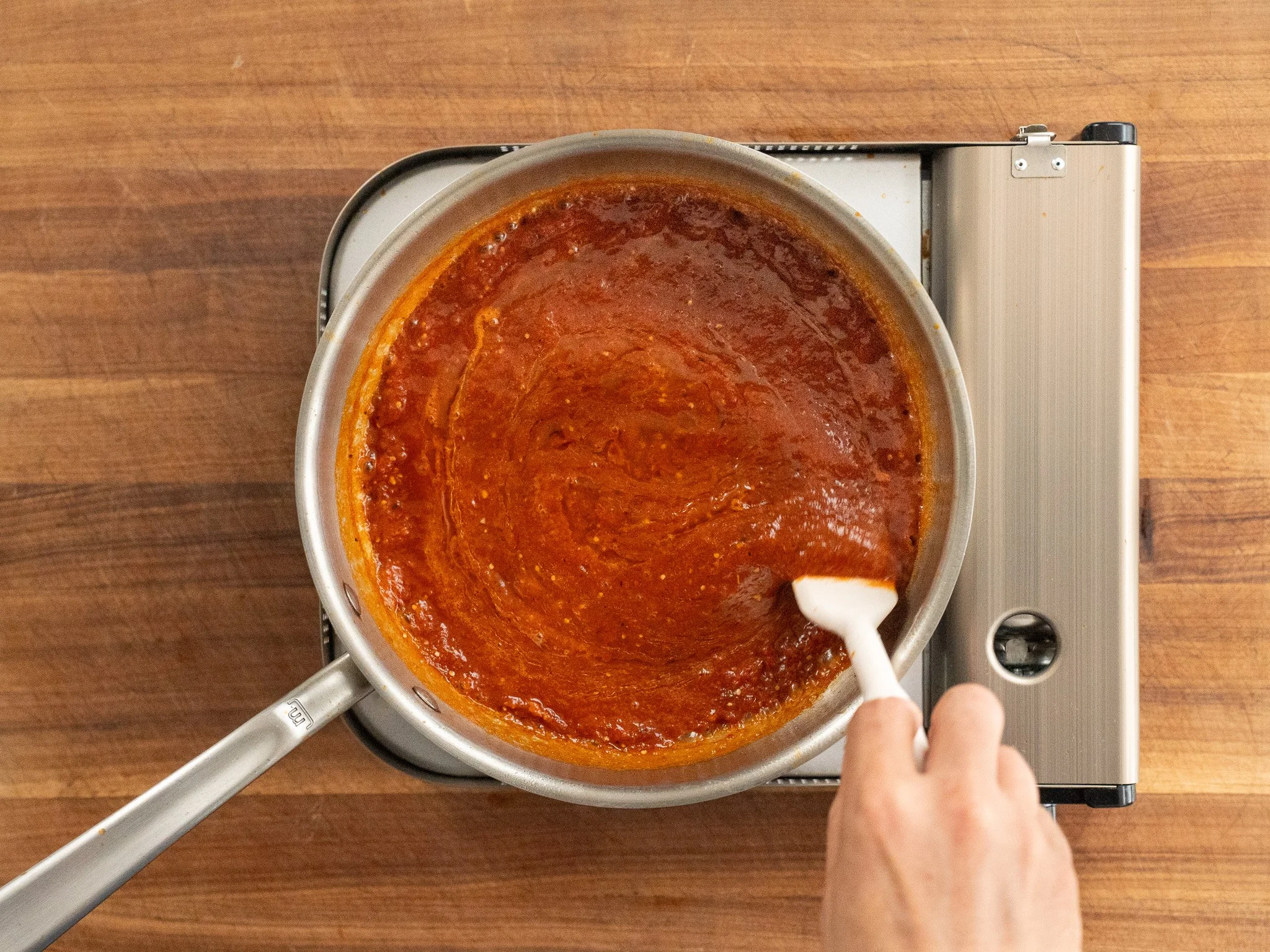
5. Fry the Salsa. Heat 2 to 3 tablespoons of neutral oil in a saucepan over medium heat until hot and shimmering. Pour in the blended salsa. Stand back because it will sputter. Cook, stirring often, for 90 seconds to 2 minutes.
If it bubbles and spits too much, set a lid slightly ajar over the pan.
How do I know when it's done? It'll darken a shade, thicken just a touch, and smell deeper and rounder. That should be right around the 2 minute mark. Don't cook it down to a paste.
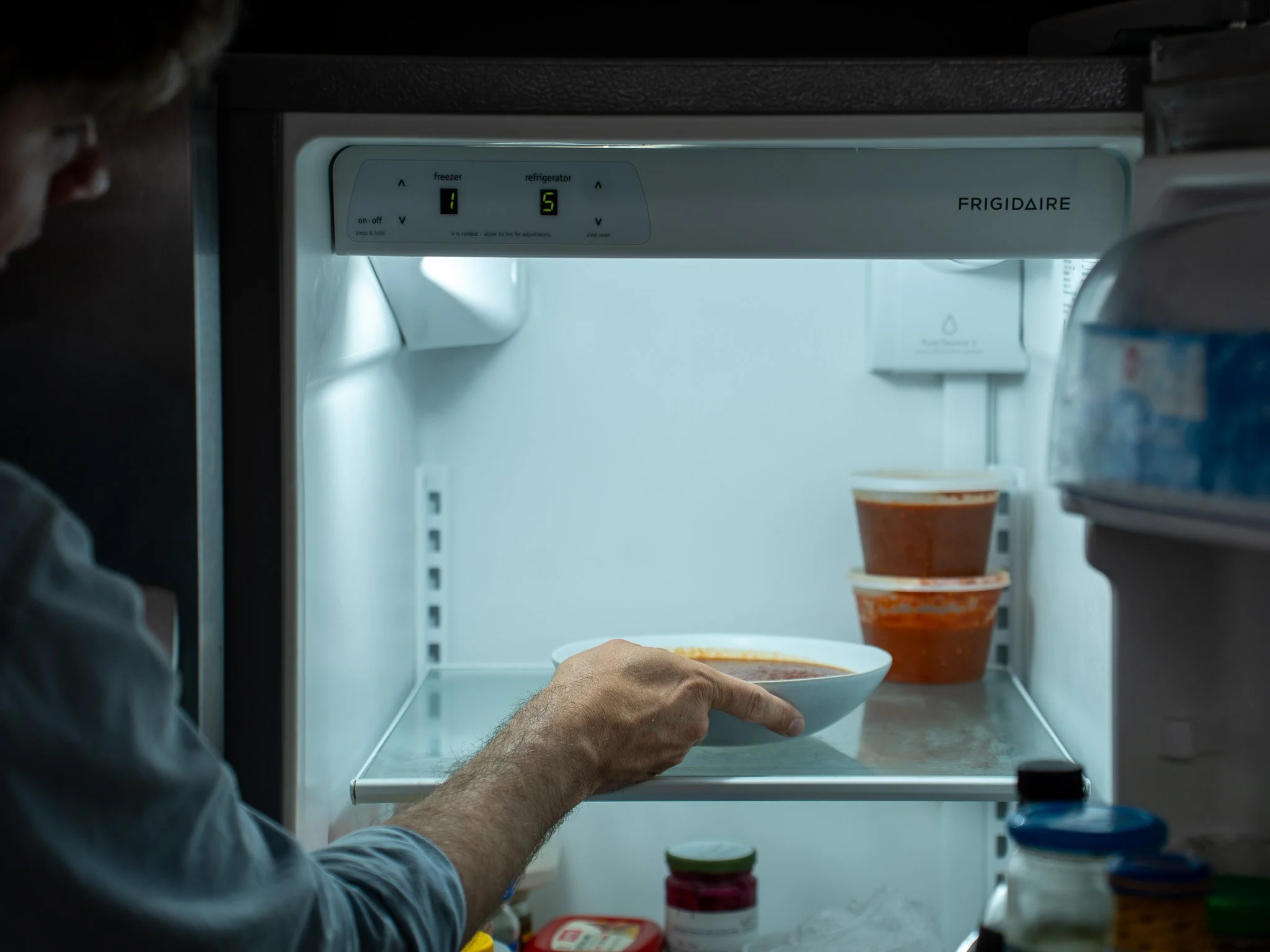
6. Cool and Serve. Pull it off the heat, transfer to a wide bowl, and cool in the fridge. The flavor keeps developing as it sits, so it's even better an hour later. Serve it on tacos, grilled meat, eggs, or anything fatty that needs heat and depth.
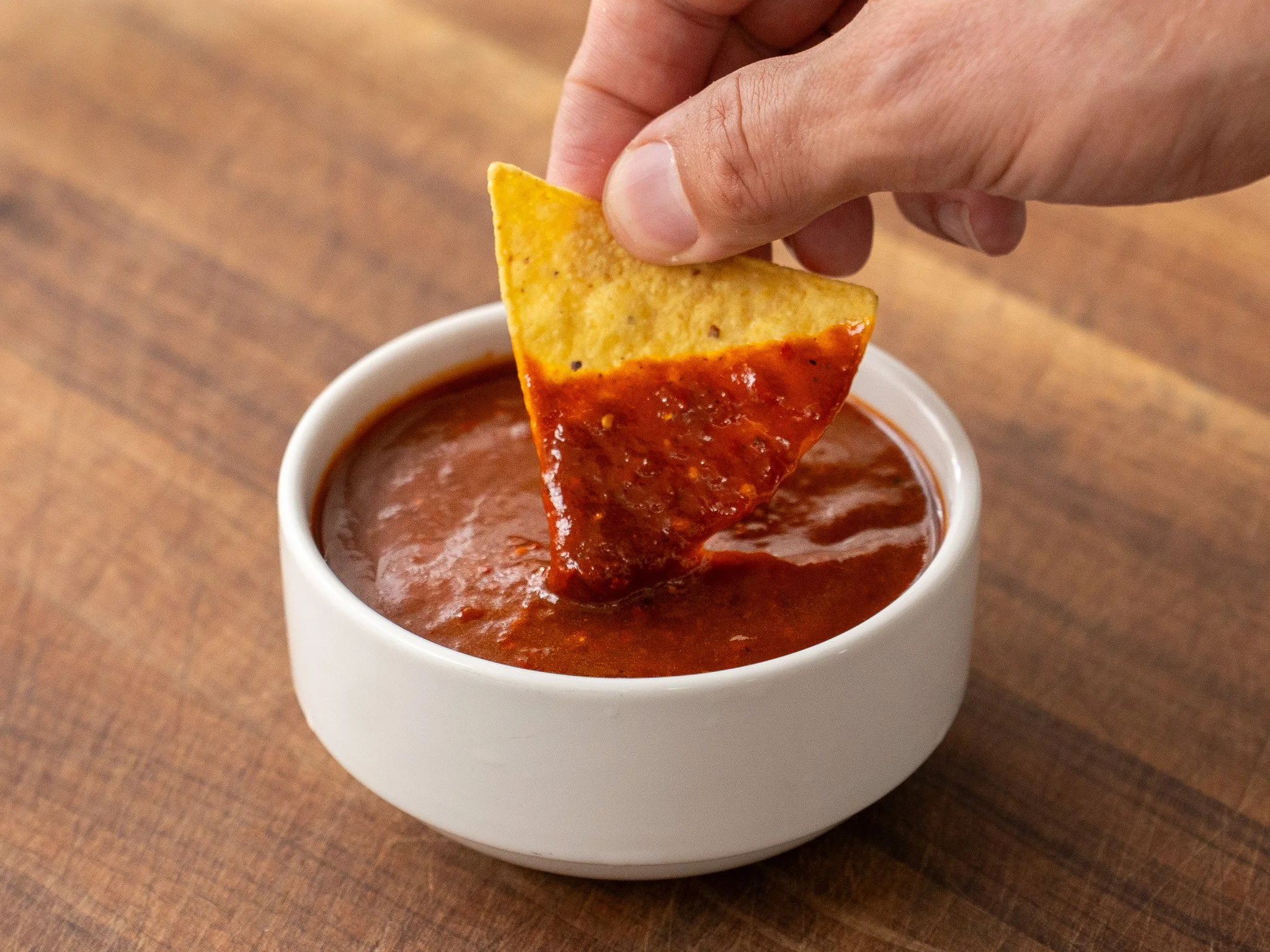
Storage & Make-Ahead
This salsa keeps well in the fridge for over a week, and it freezes really well because most of the ingredients are cooked. It does not rely on fresh, raw stuff for its flavor, so it holds up better than a lot of other salsas.
Frequently Asked Questions
How do I make it spicier or milder?
The chiles de árbol are your heat dial. Start with 3 to 5 for a milder salsa, or work your way up to 10 if you want to get hurt. If you really can’t handle spice, leave the árbols out completely.
What can I substitute for the dried chiles?
If you can’t find guajillos, use dried New Mexico or California chiles.
If you can’t find anchos, use pasilla chiles.
For the árbols, a strong pinch of cayenne or 2 to 3 grams of red pepper flakes will give you the heat, but the flavor will be slightly different.
Can I use fresh chiles instead of dried?
No — the dried chiles are the whole identity of this salsa and they taste very different from fresh.